
SASocial

Open-source tech platform for higher education’s student support services

#SASocial… the future is digital

SASocial Community

The services provided by the SASocial platform result from the mobilization of resources and competences of nine Higher Education Student Support Services (Bragança, Cávado e Ave, Coimbra, Leiria, Portalegre, Santarém, Setúbal, Viana do Castelo, Viseu), that decided to join their efforts to take advantage of the possibilities created by information technologies, with the aim of making higher education increasingly accessible and inclusive.

Since the SASocial platform is an open-source system, all higher education institutions can download the software, through the link (below).

Feel free to reach out to us through the email info@sasocial.eu for more information on how your organization can join the SASocial community and, in this way, take advantage of all the benefits that this platform provides to higher education institutions and their students.
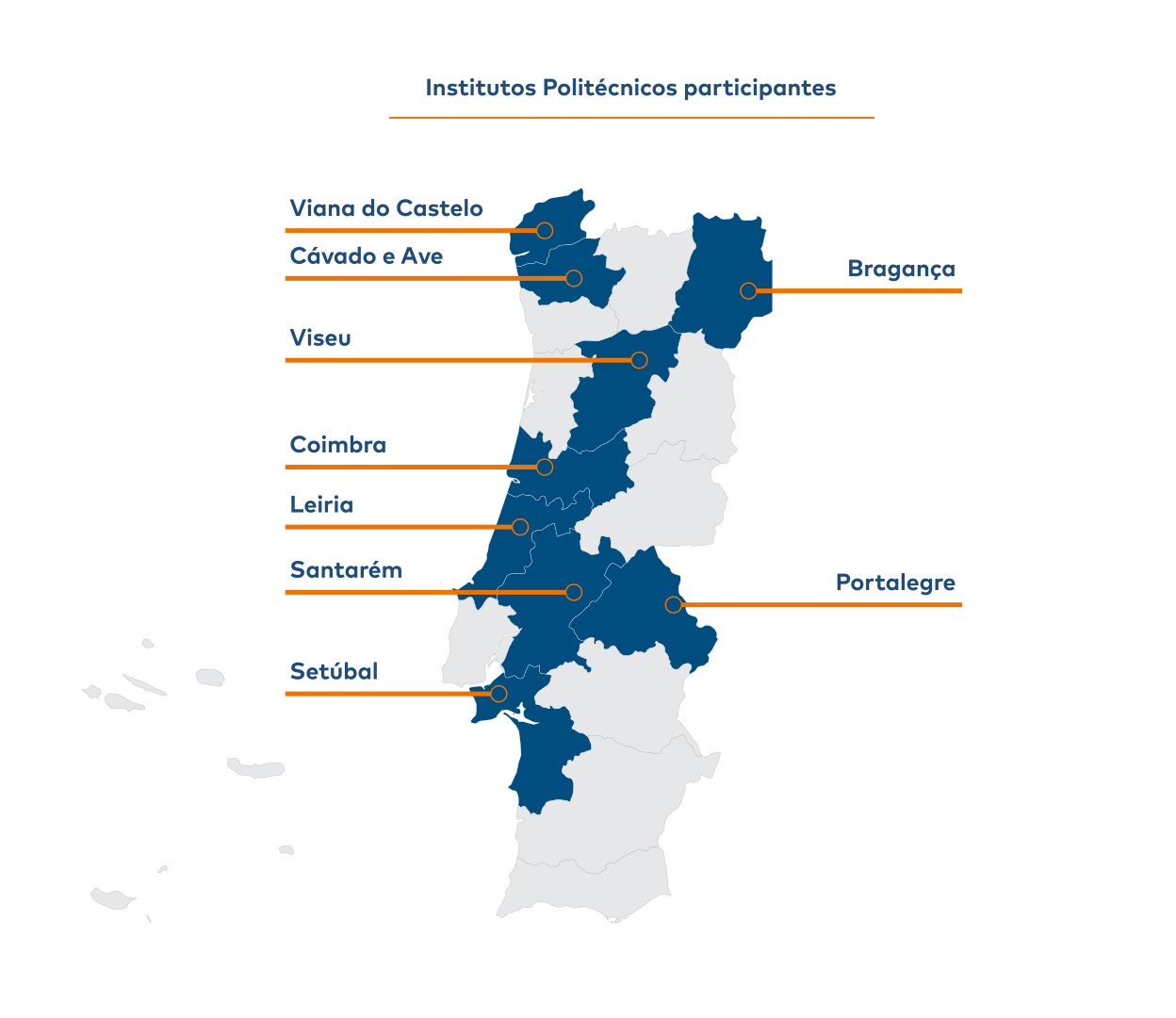
Instituto Politécnico de BragançaInstituto Politécnico do Cávado e do AvePolitécnico de CoimbraPolitécnico de LeiriaInstituto Politécnico de PortalegreInstituto Politécnico de SantarémInstituto Politécnico de SetúbalInstituto Politécnico de Viana do CasteloPolitécnico de Viseu

Challenges

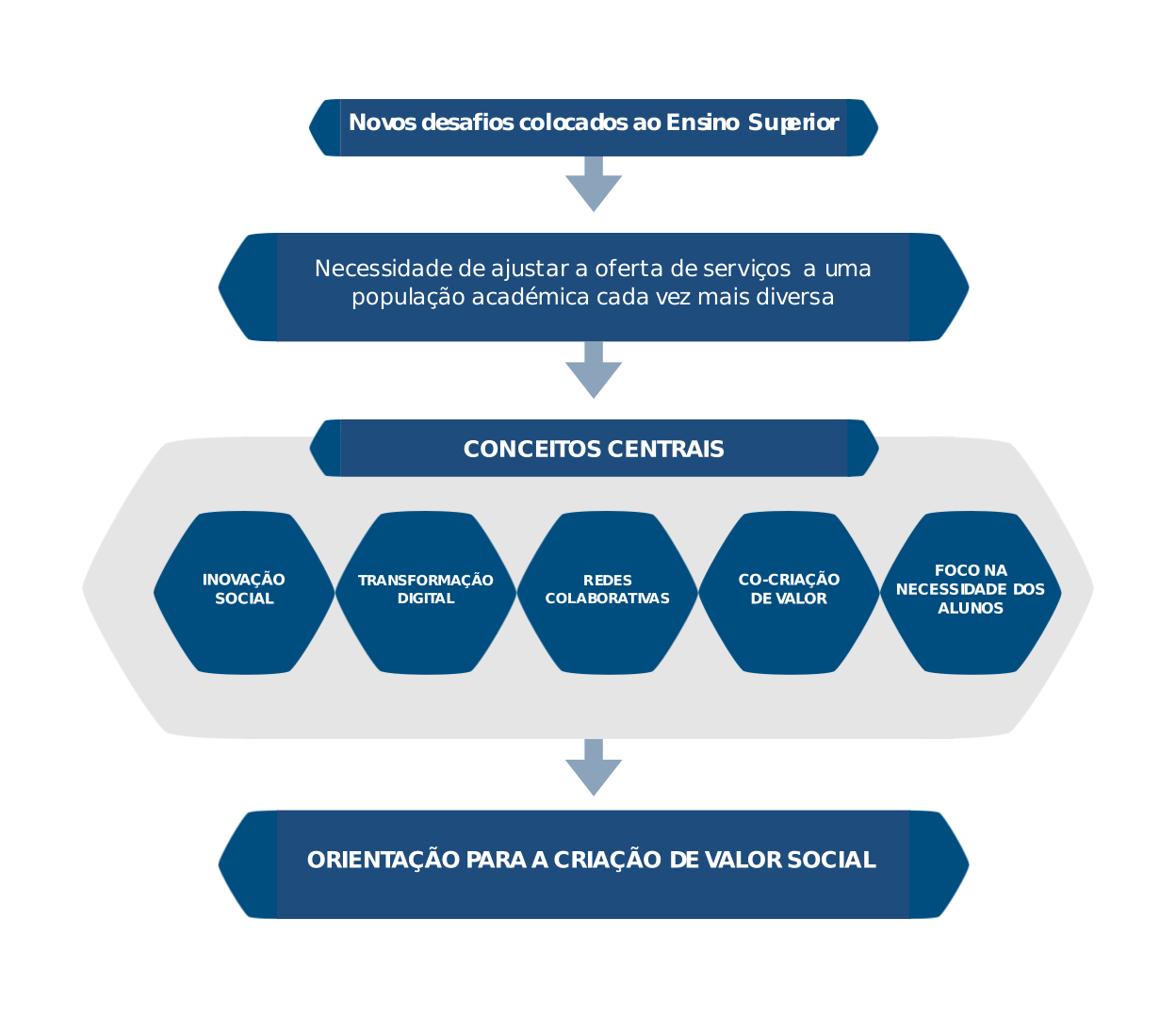
Higher Education as we know it is made up of an increasingly heterogeneous and diverse student population and by the arrival of the “alpha” generation, also known as “digital natives”, whose high connection and dependency of technology differentiates it from the previous generations.
For today’s students, access to digital services is a mandatory requirement, and the quality of digital solutions will facilitate, or condition, the success of public strategies (and higher education institutions themselves) to expand the recruitment base of students, attracting international students, combating school dropouts, or successfully transitioning into the job market.
(Road map para a Ação Social 2030, CEAS-CCISP, 2018)

Conceptual Model

United by a shared vision, the SASocial community is making the best use of the latest technological developments, service design models and project management practices, with the aim of creating high-impact services that are capable of improving the student experience in higher education, and, in this way, make these services more efficient and effective and with greater potential for creating social value.

SASocial Platform

As the challenges posed to the various student support services are mostly common, it seemed evident to the institutions involved in this community that the most effective way of tackling them is by sharing experiences, integrating resources and co-creating solutions.

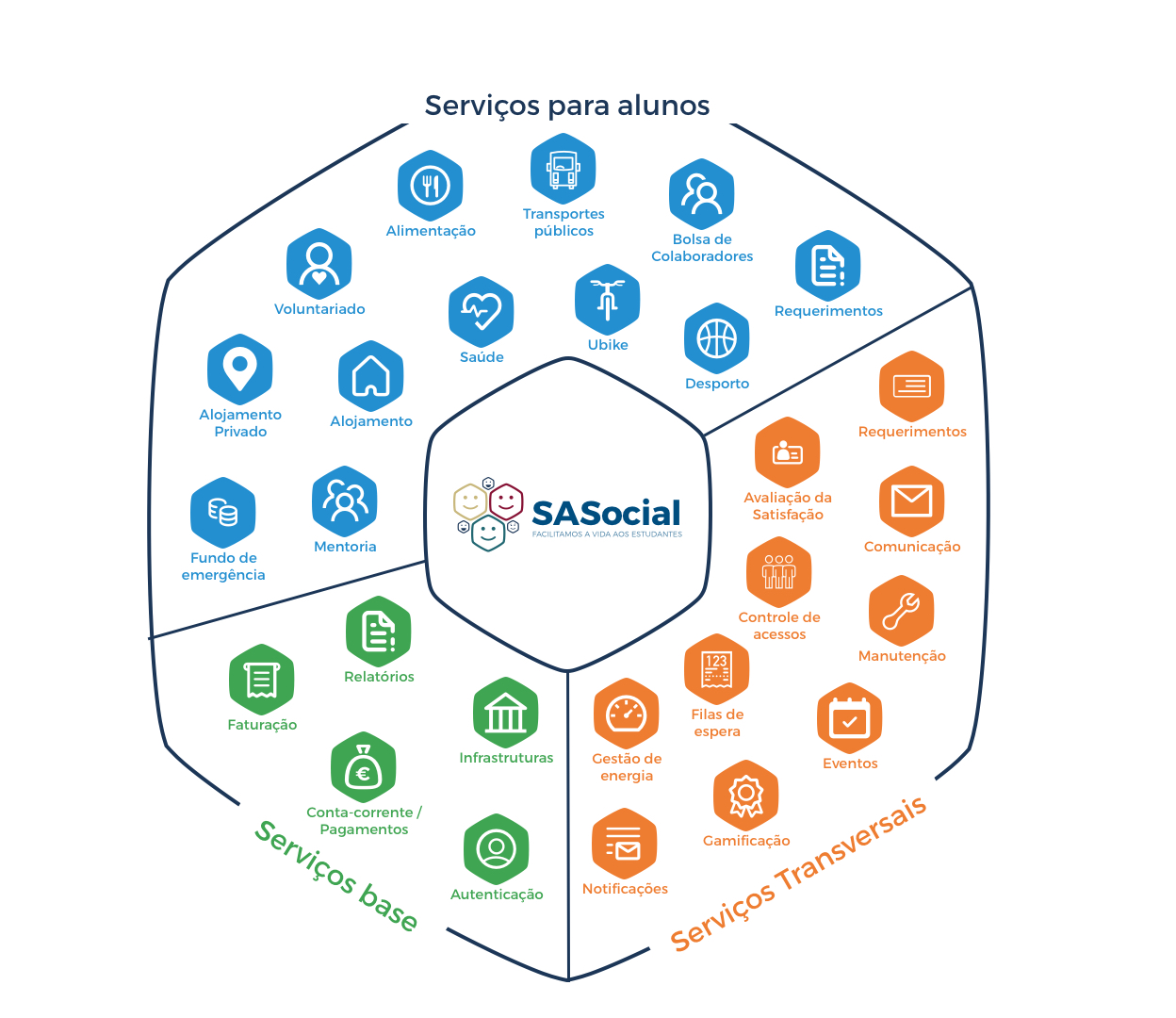
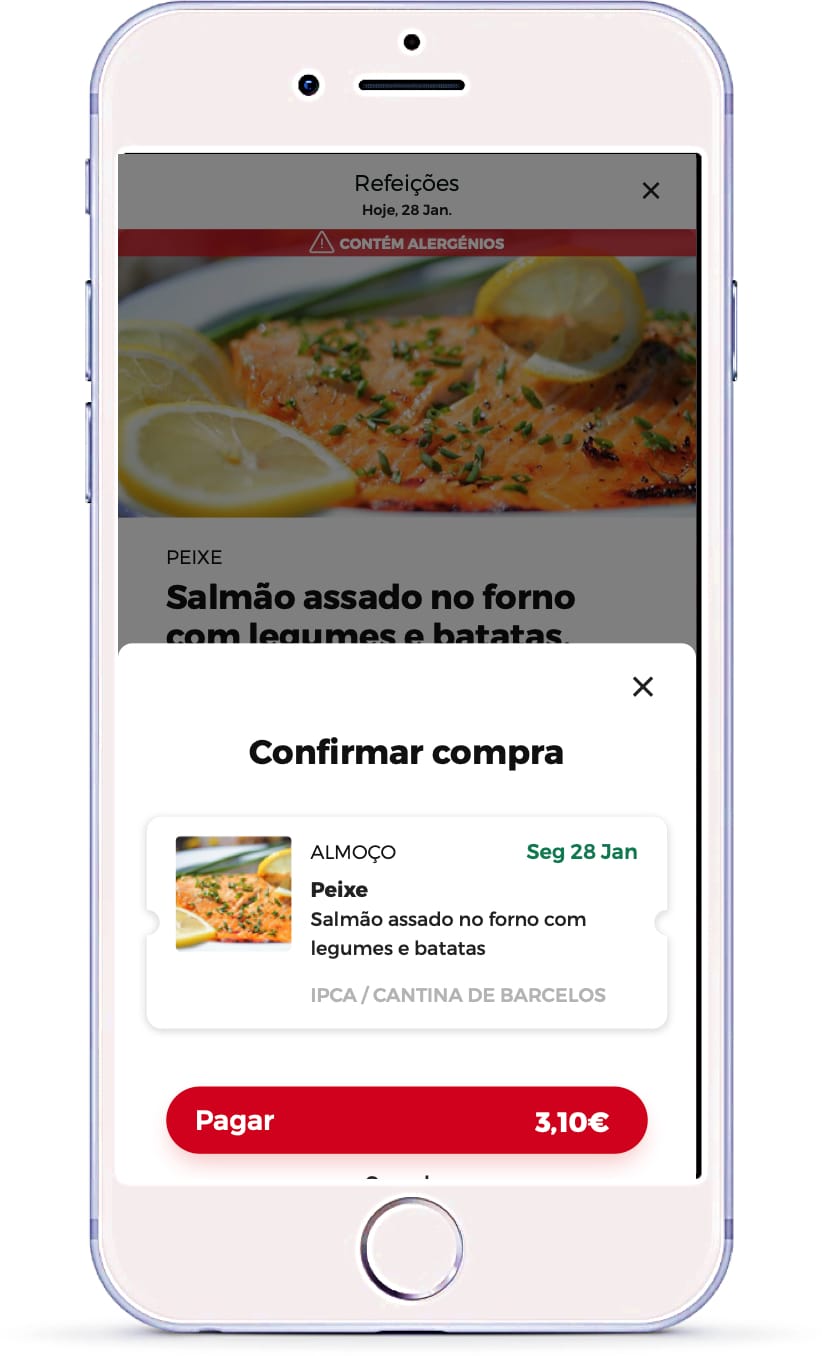
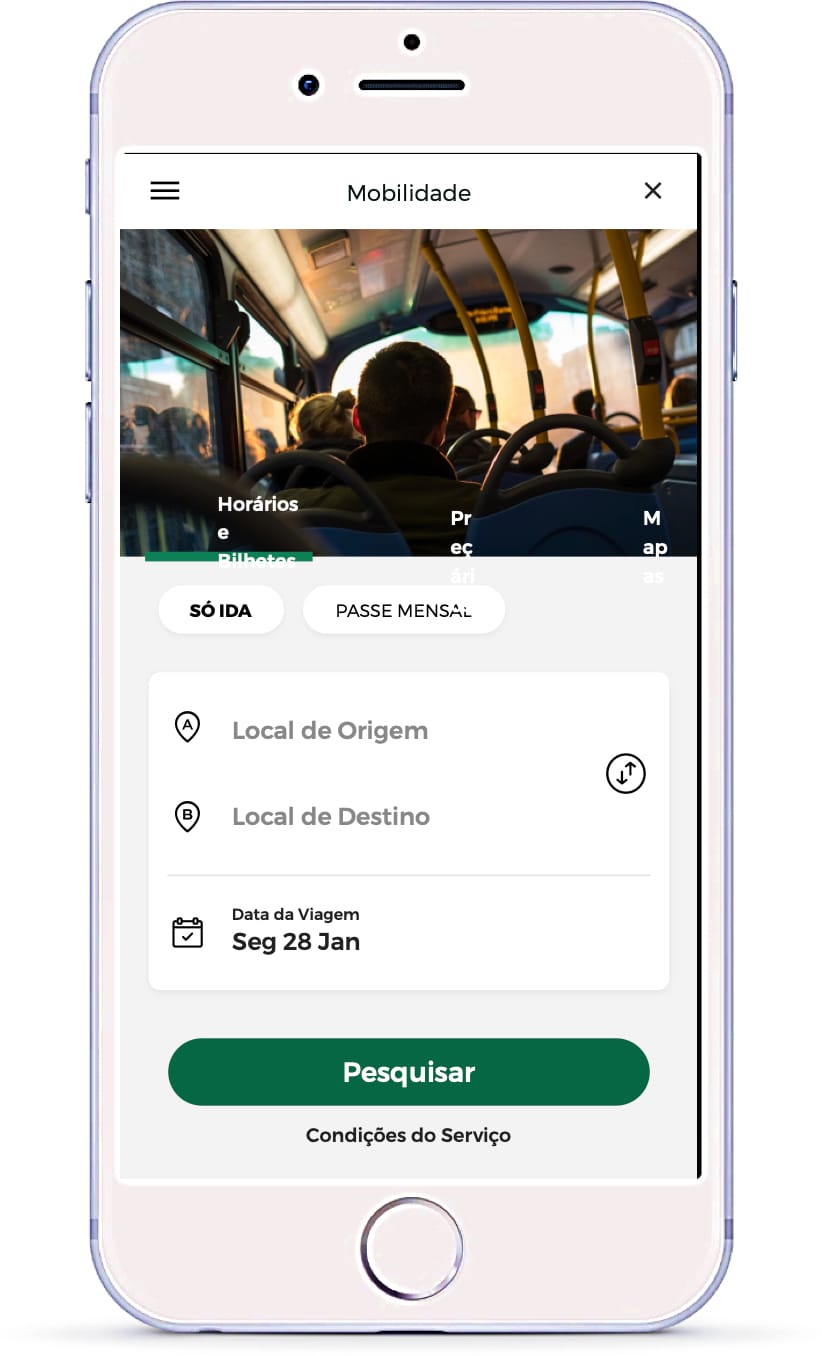
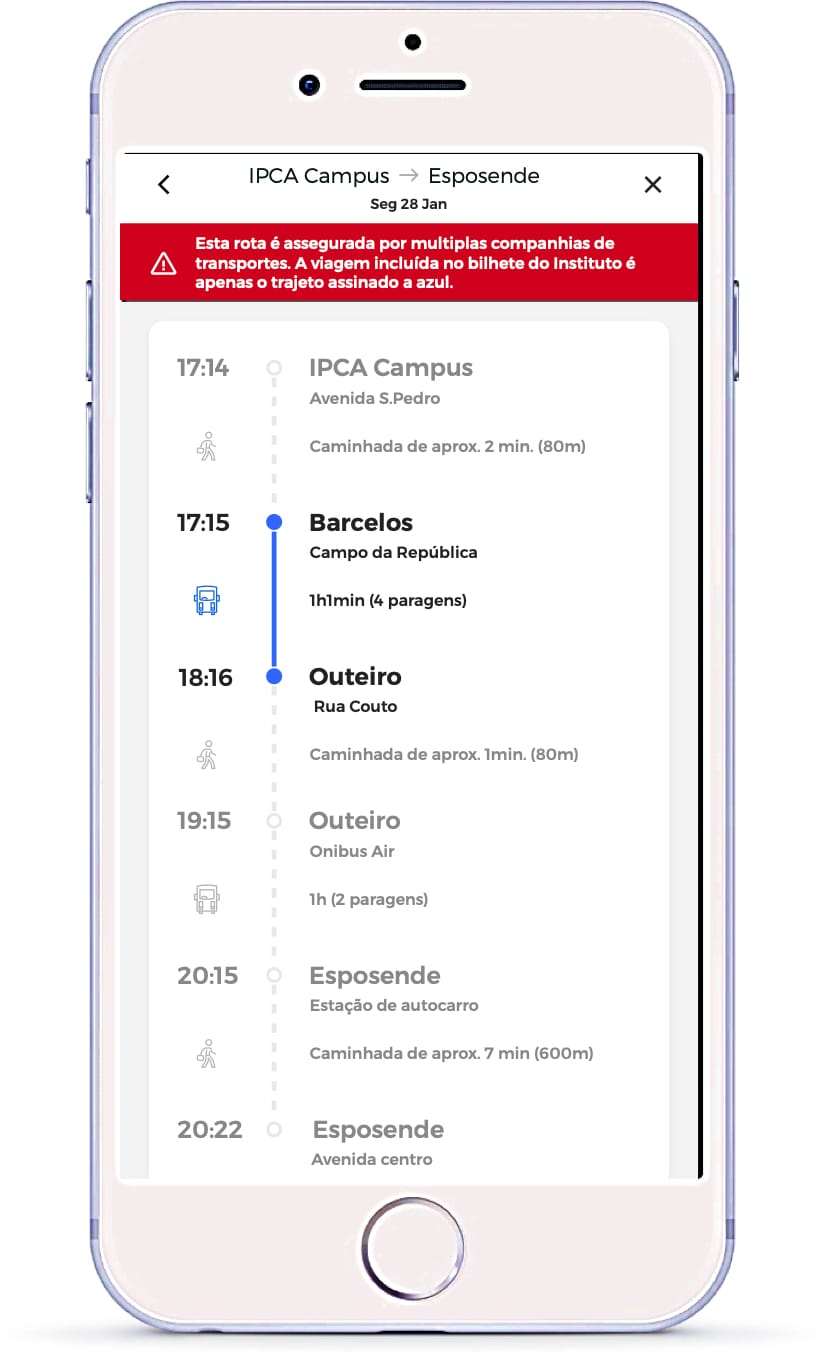
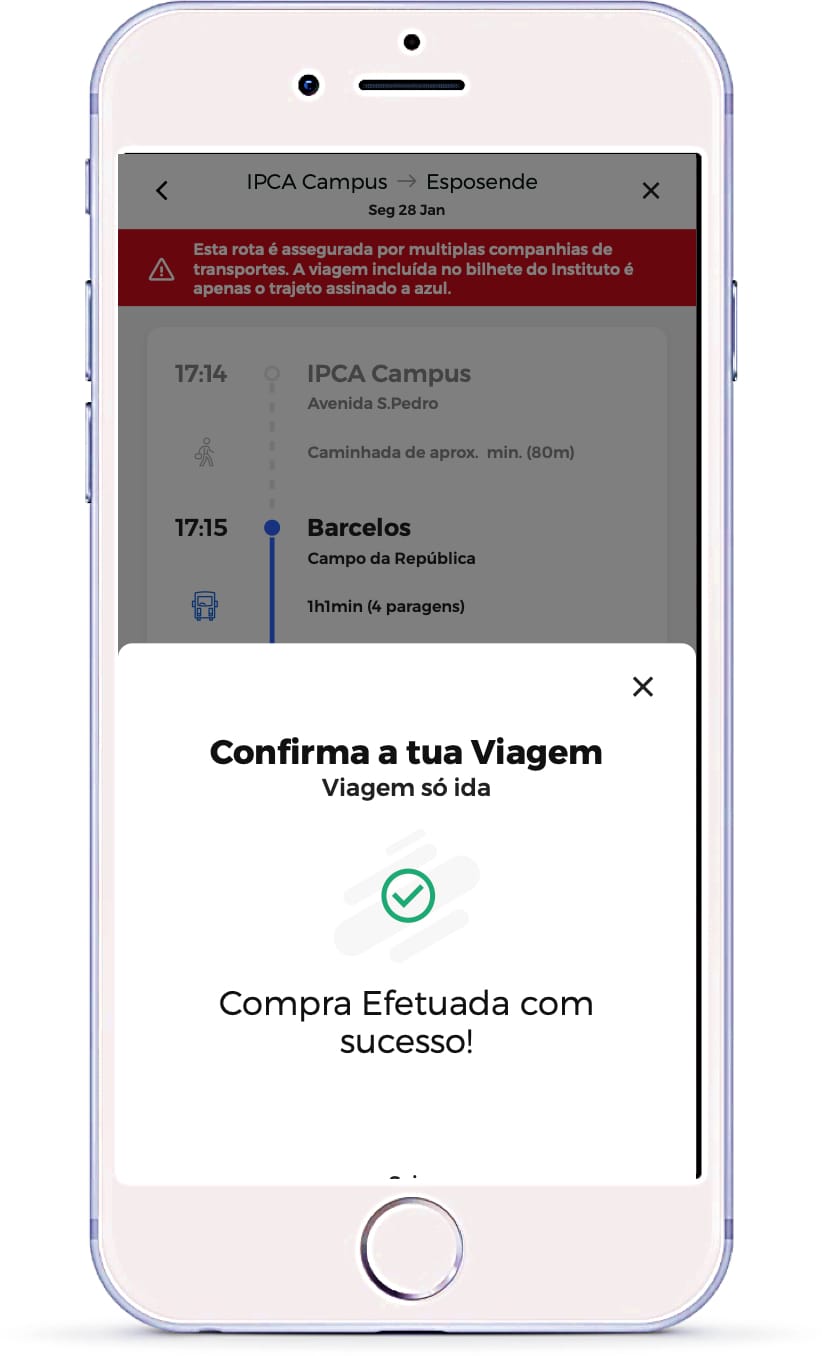
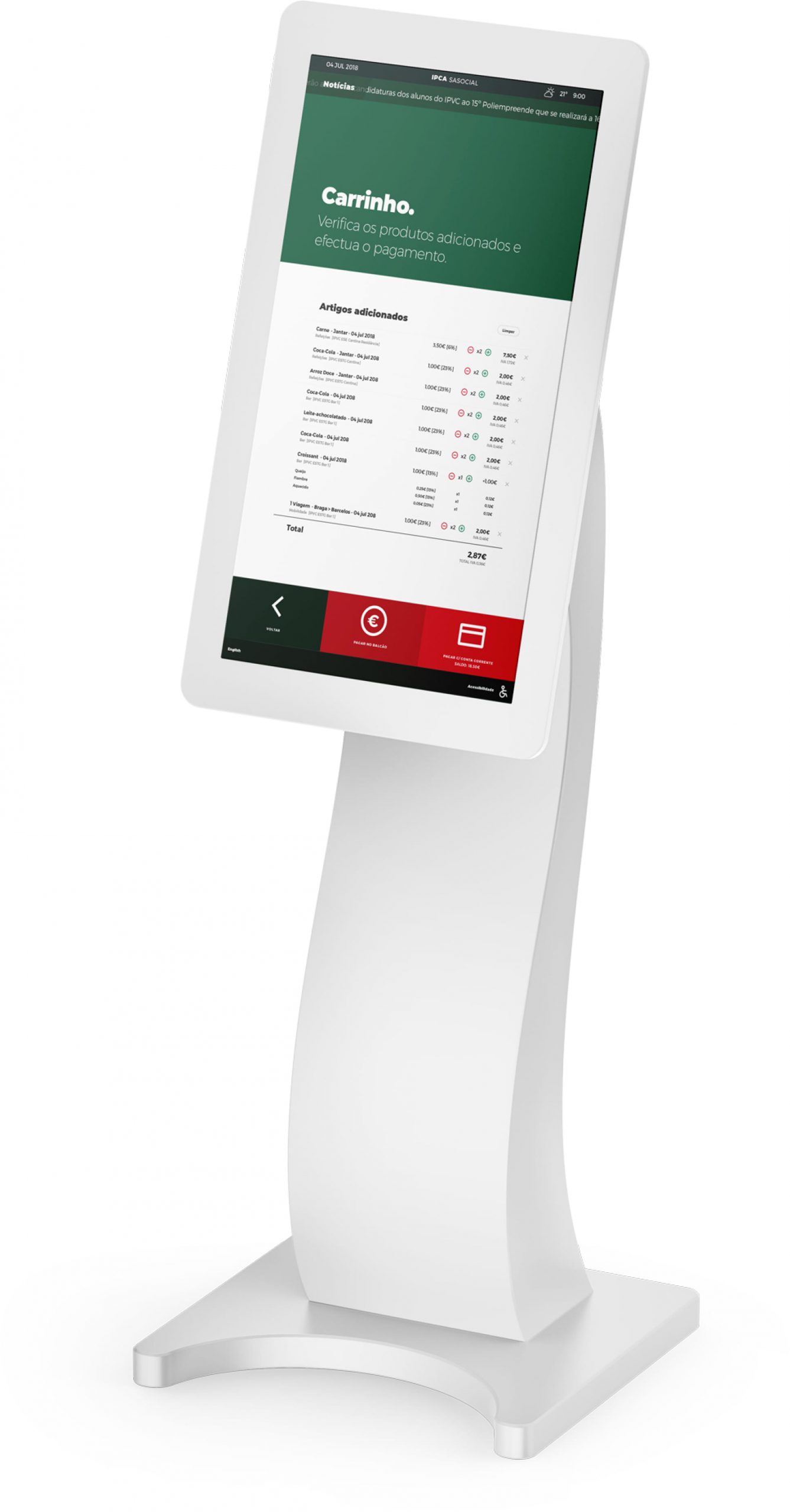
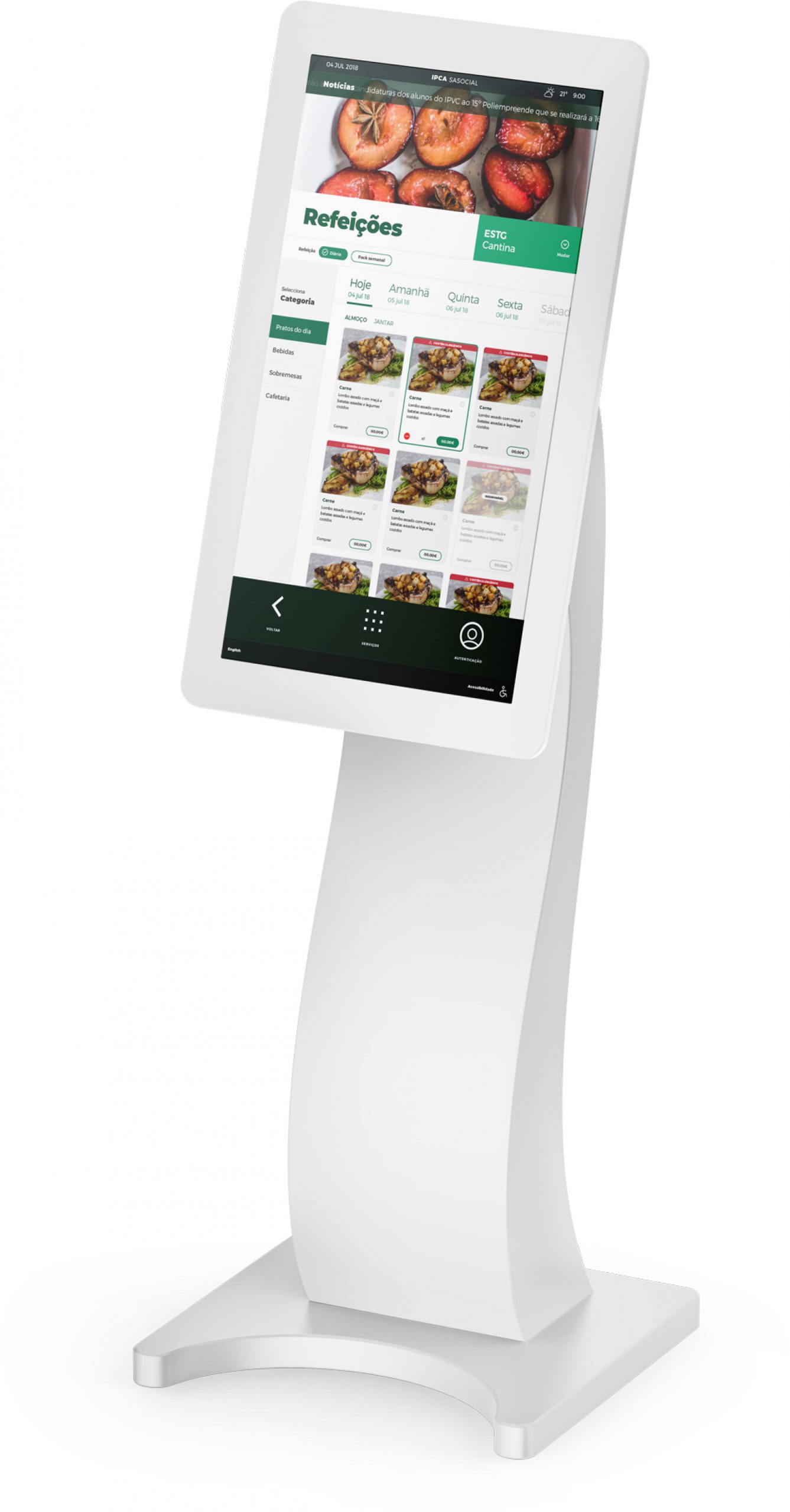
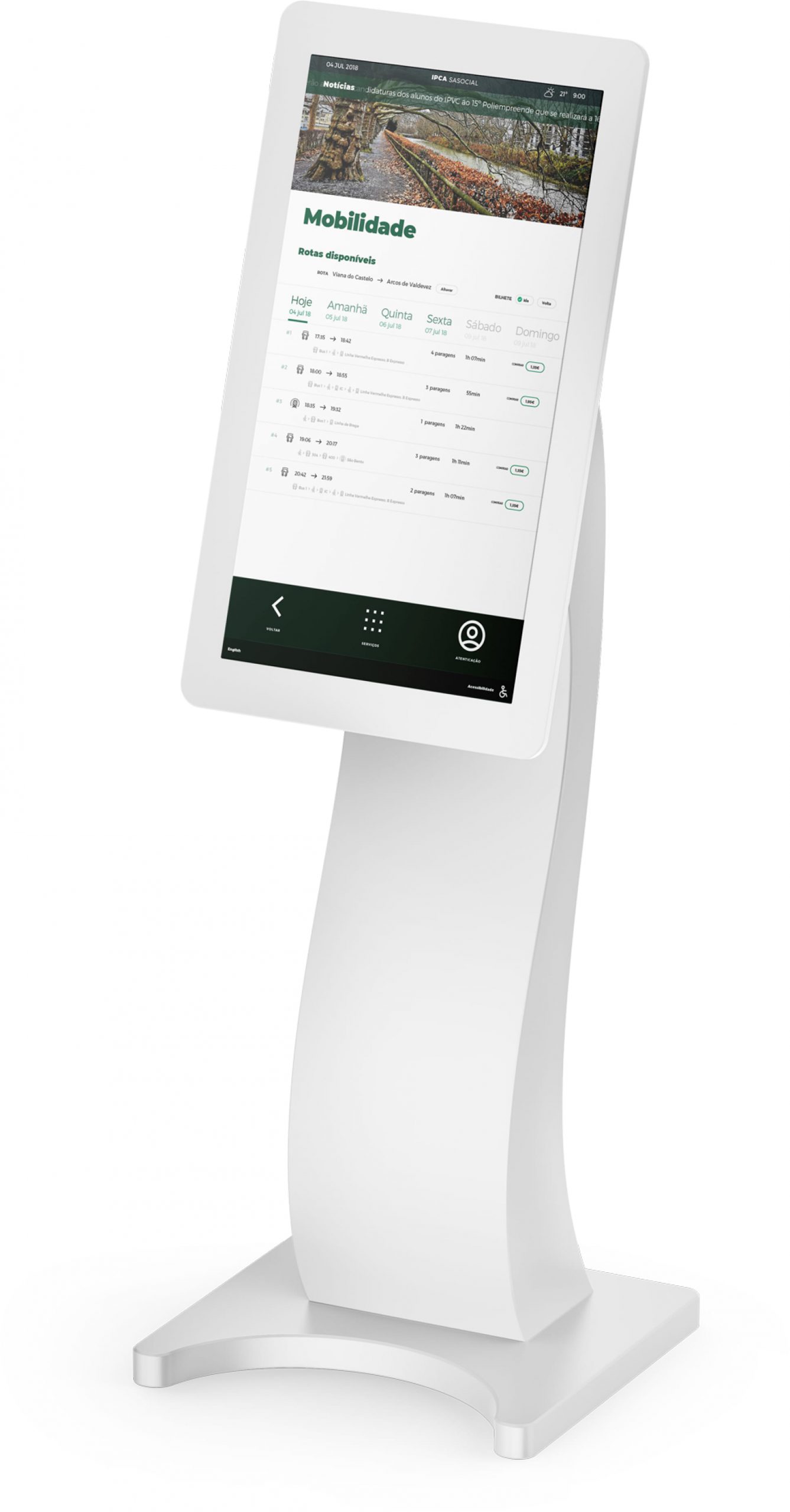
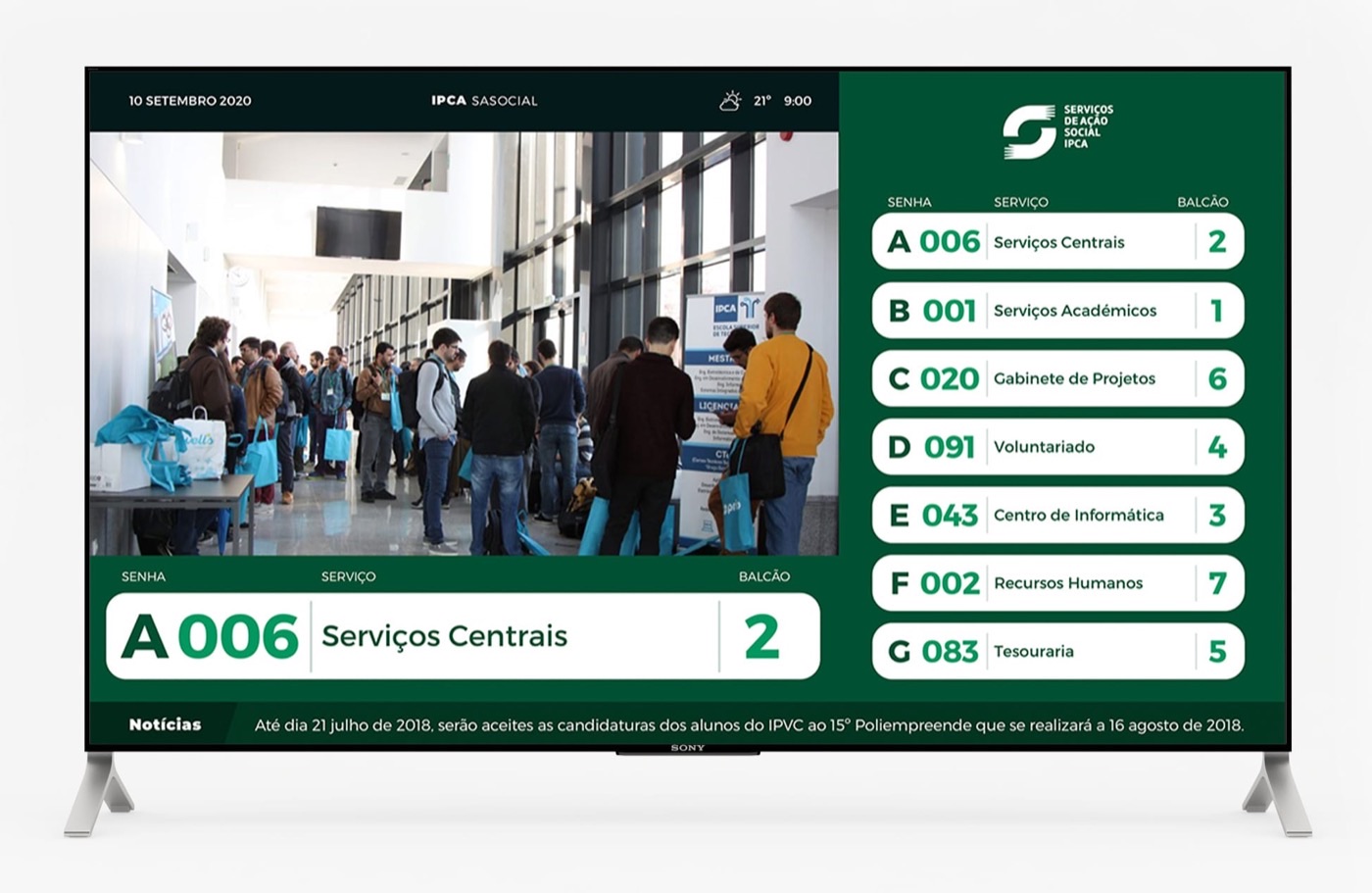
An innovative “open-source” platform of support services for higher education students was thus developed. This platform is constituted of 27 microservices, made available according to a multiplatform approach (web, mobile, kiosks and TV), which will contribute to modernizing the student support services, improve the quality of services provided to students and, in this way, make higher education more accessible and inclusive.

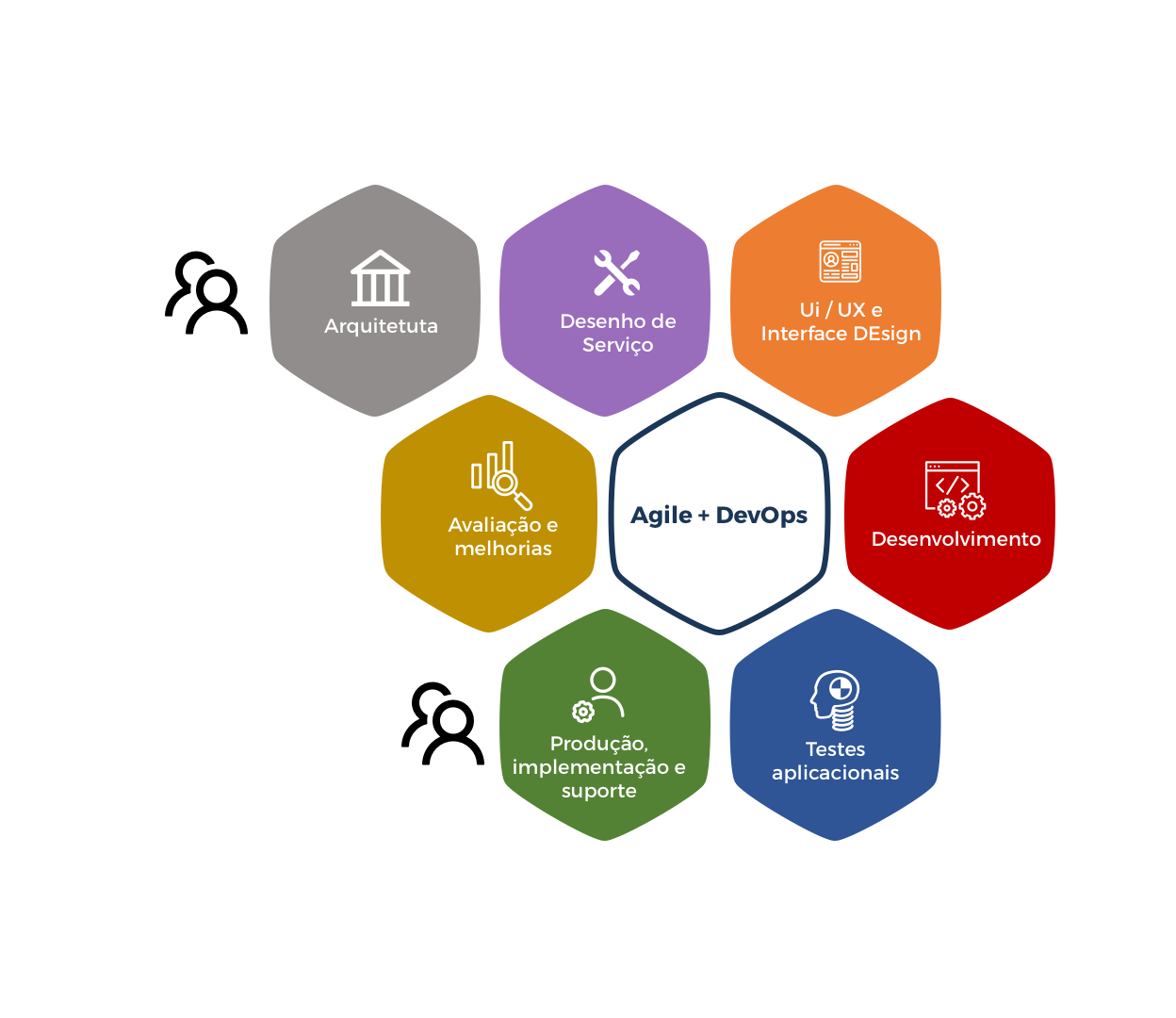
Application development model for the SASocial Framework

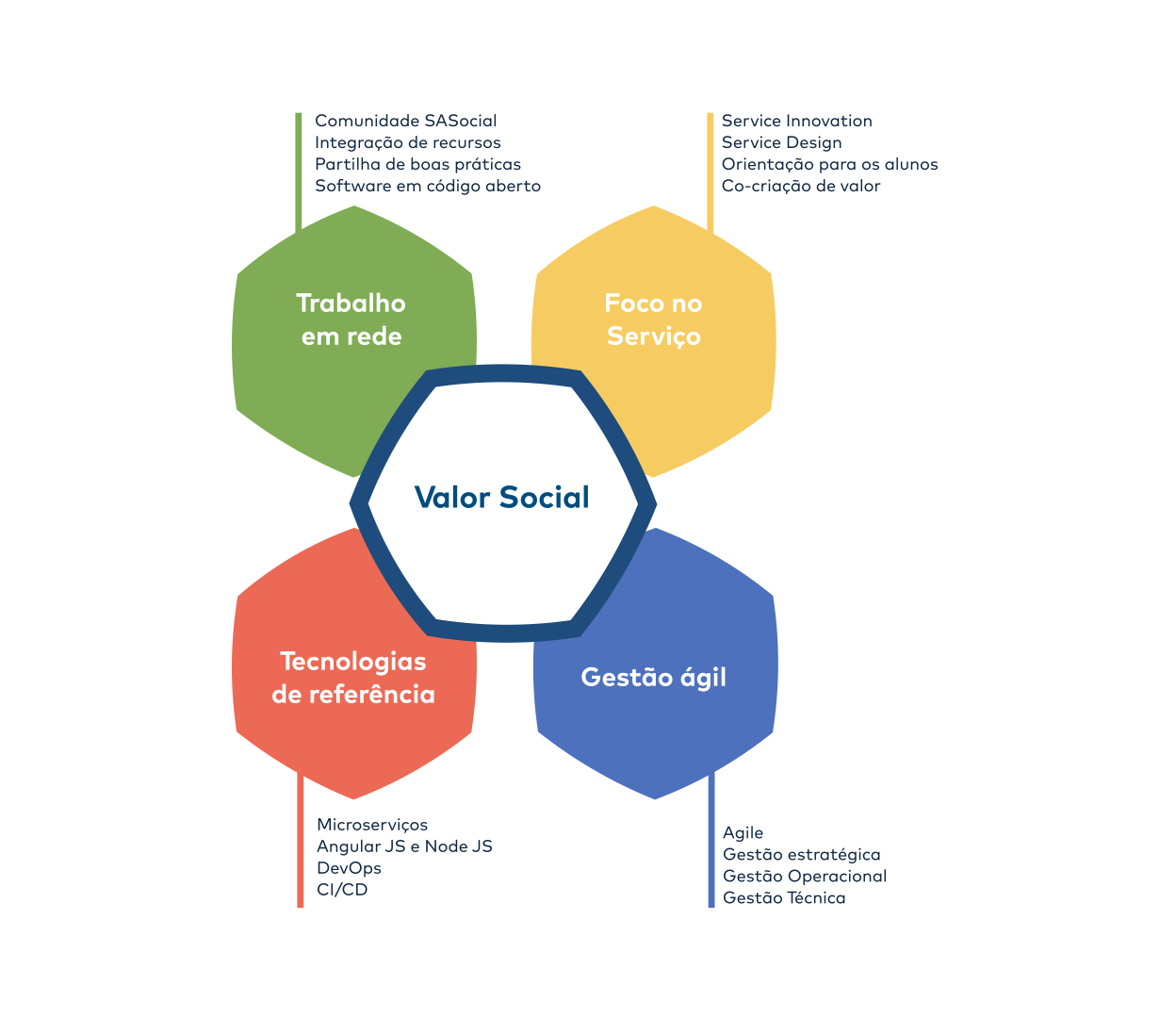
Given the complexity associated with such an ambitious project, the partners felt the need to create an application development model capable of incorporating the most recent evolutions identified in the area of service innovation, development and continuous integration of software and project management, a model that has been systematically improved.

Reference architecture

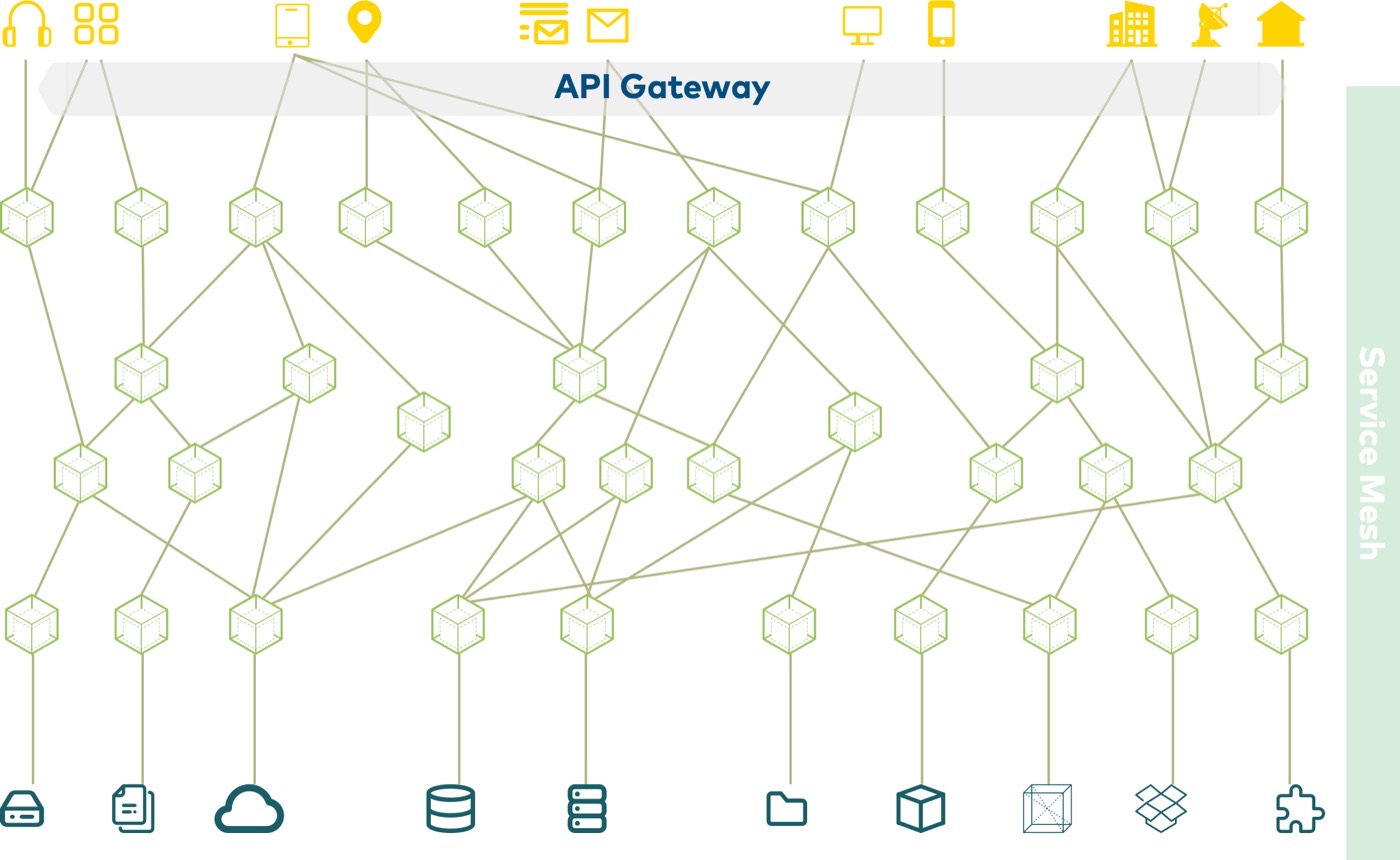
A layered view of the microservices architecture of the SASocial framework

(Deloitte, 2020)

Presentation layerSegmented by communication channels
Functionality: entry point, validations

Experience layerAdapts process and system APIs to integrate microservices into applications
Functionality: authentication, automatic discovery, structure validation, routing

Process layerOrchestrates system APIs and applies business rules
Functionality: business logic and rules, data mapping and transformation, coarse-grained orchestration

Systems layerMicroservices that encapsulate core business functionality
Functionality: data access and fine-grained orchestration

Source layerDatabases, legacy systems, SaaS applications, external systems
Functionality: system of record and source of truth

The 27 microservices provided by the SASocial platform were designed according to a multiplatform concept (web, mobile, kiosks and TV) and interact with the whole set of applications of the higher education institutions’ digital ecosystem through APIs, following a bimodal evolution approach.

Team

Governance

Diogo Moreira
Polytechnic Institute of Cávado and Ave
Elisabete Madeira
SAS of the Polytechnic Institute of Bragança
João Lobato
SAS of the Polytechnic Institute of Coimbra
Sofia Coelho
SAS of the Polytechnic Institute of Cávado and Ave
Pedro Costa
SAS of the Polytechnic Institute of Leiria
Isabel Silva
SAS of the Polytechnic Institute of Santarém
Marisa Santos
SAS of the Polytechnic Institute of Setúbal
José Gomes
SAS of the Polytechnic Institute of Portalegre
Luís Ceia
SAS of the Polytechnic Institute of Viana do Castelo
Carla Coimbra
SAS of the Polytechnic Institute of Viseu

Technical management

Carla Santos
Polytechnic Institute of Coimbra
Sérgio Costa
Polytechnic Institute of Cávado and Ave
João Fraga
Polytechnic Institute of Leiria
Pedro Carvalho
Polytechnic Institute of Santarém
José Feiteira
Polytechnic Institute of Portalegre
Rui Carneiro
Polytechnic Institute of Viana do Castelo
Sílvia Moreira and João Branco
SAS of the Polytechnic Institute of Viseu

Operational management

Application development

Leandro Sá
Chief Technical Officer
José Lima
Product owner
Pedro Sousa
Scrum Master
André Costa
Angular and Node development (IPCA)
Daniel Marmelo
Integration, deployment and infrastructure (IPP)
Cesário Mota
Integration, deployment and infrastructure (IPC)

Partners

IBM
Information system architecture
Deloitte
Information system architecture
NQDA
UI/UX and interface design
Brandit
UI/UX and interface design
Xpertgo
Requirements design, software development and functional testing
Wemake
IT security
Eurotux
CI/CD
Ubiwhere
Software development
Softinsa
Software development
CGI
Software development
Konica
Software development

Results

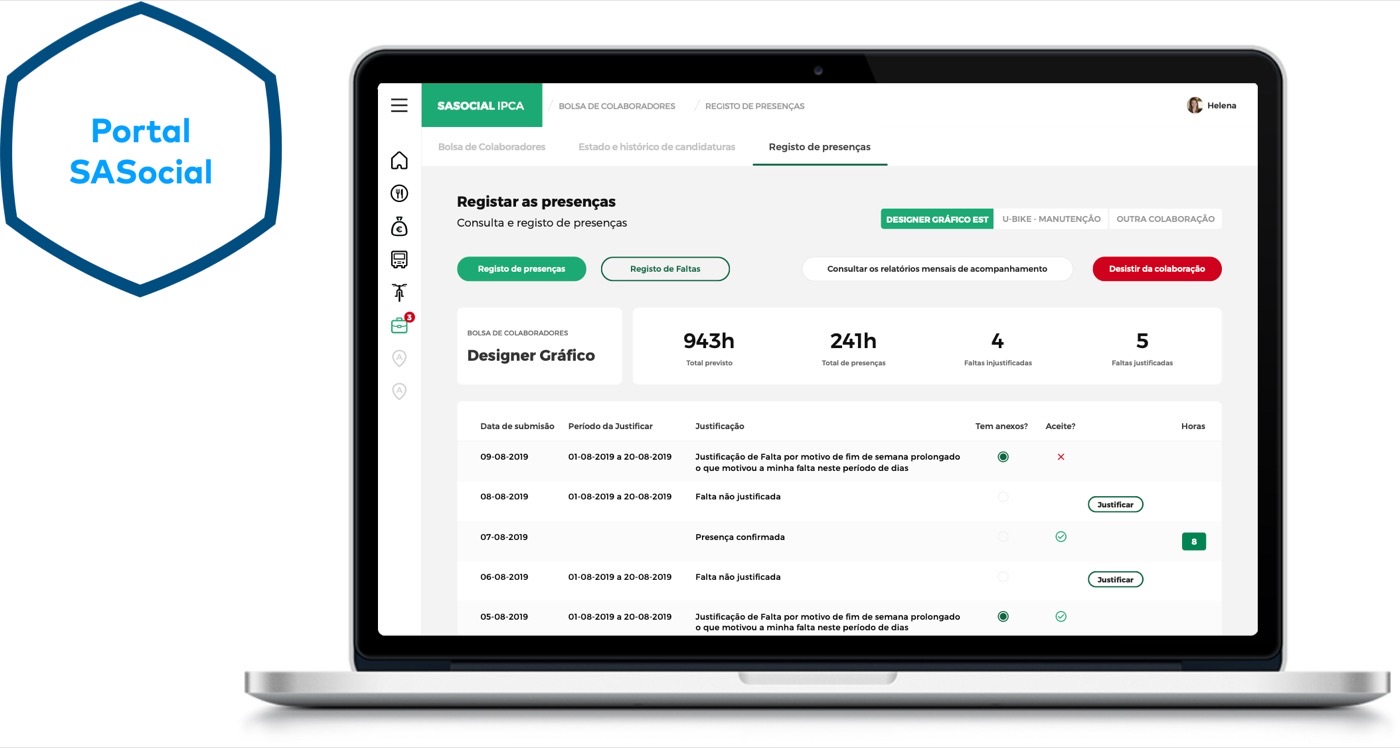
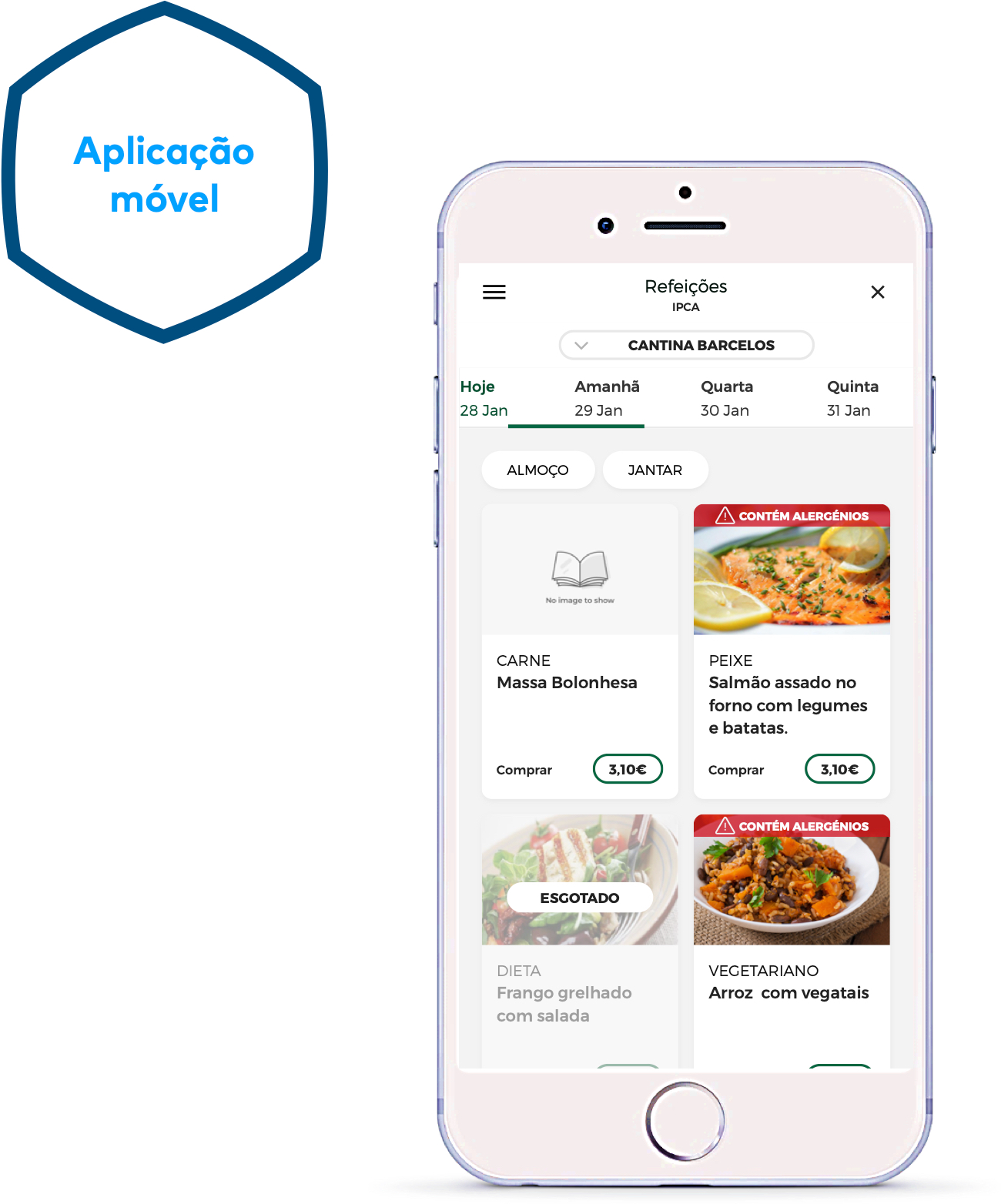
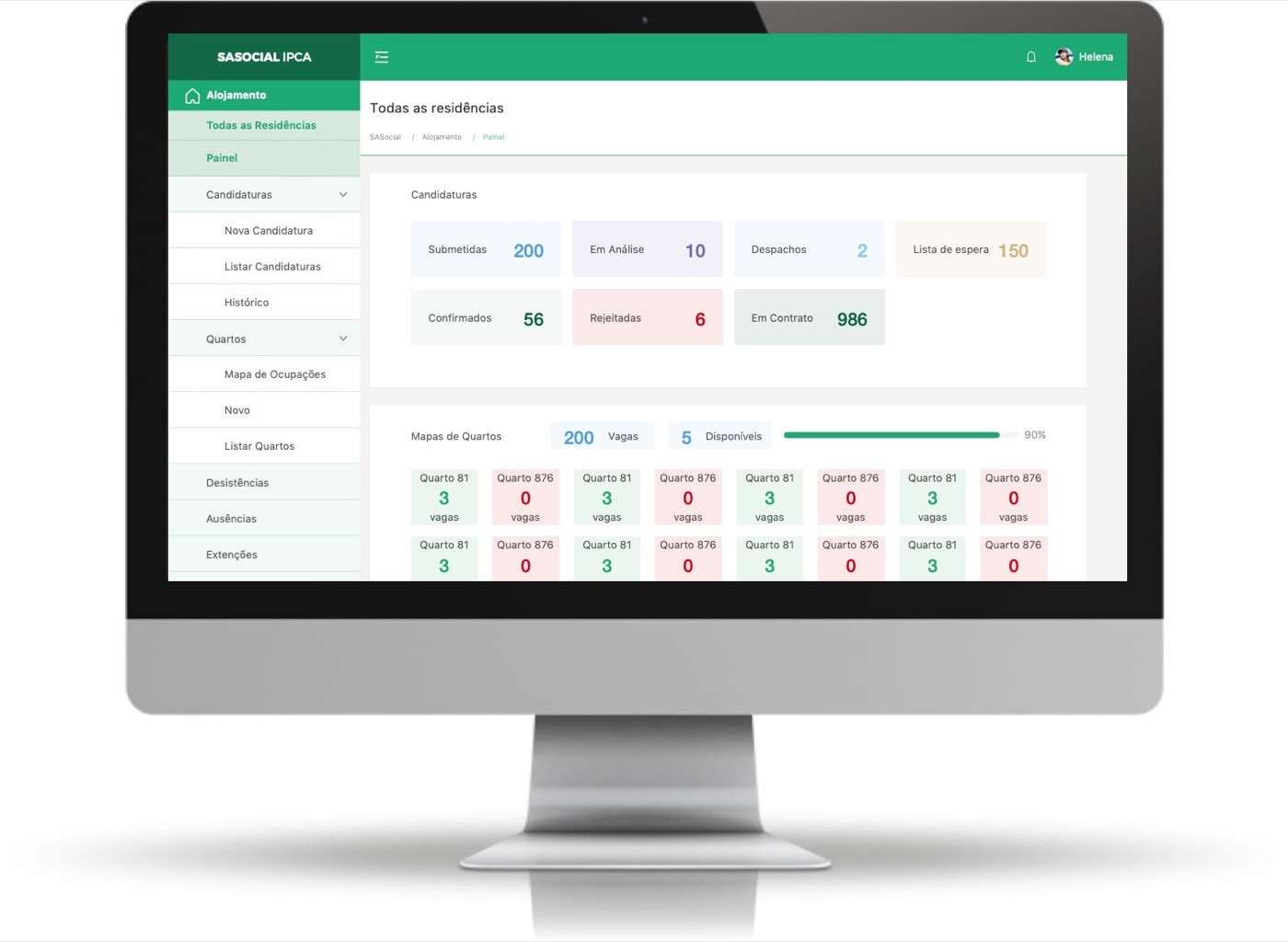
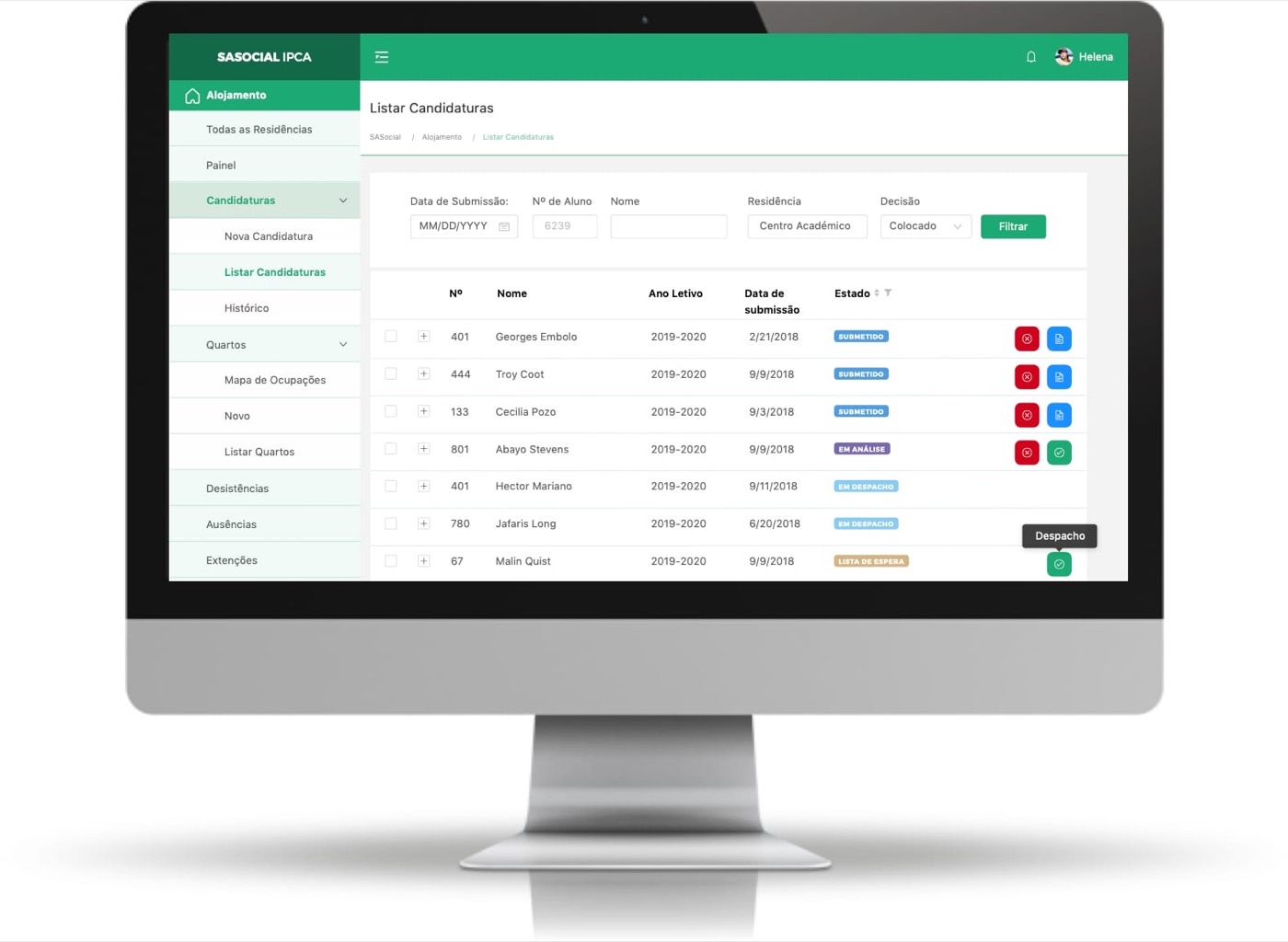
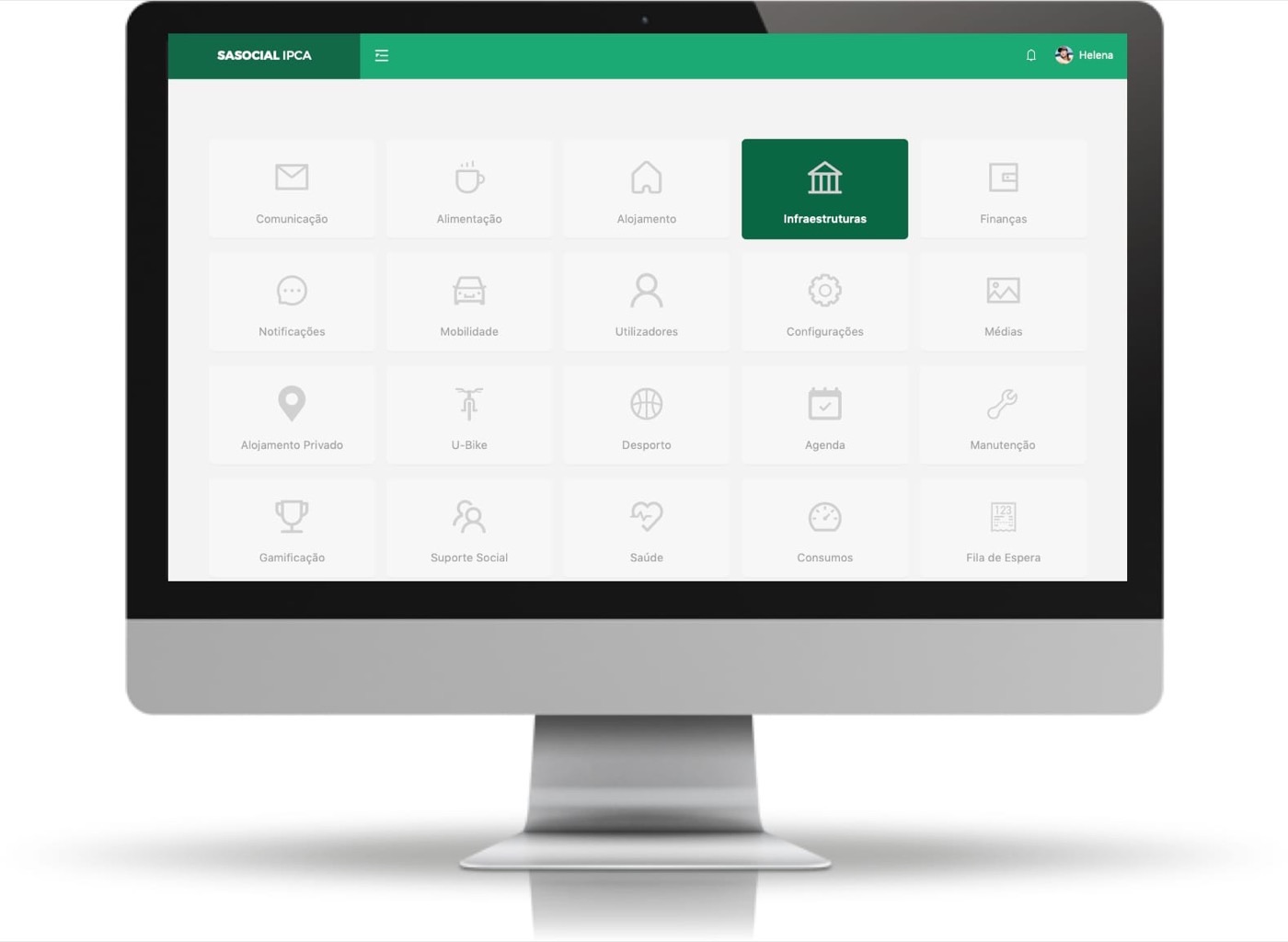
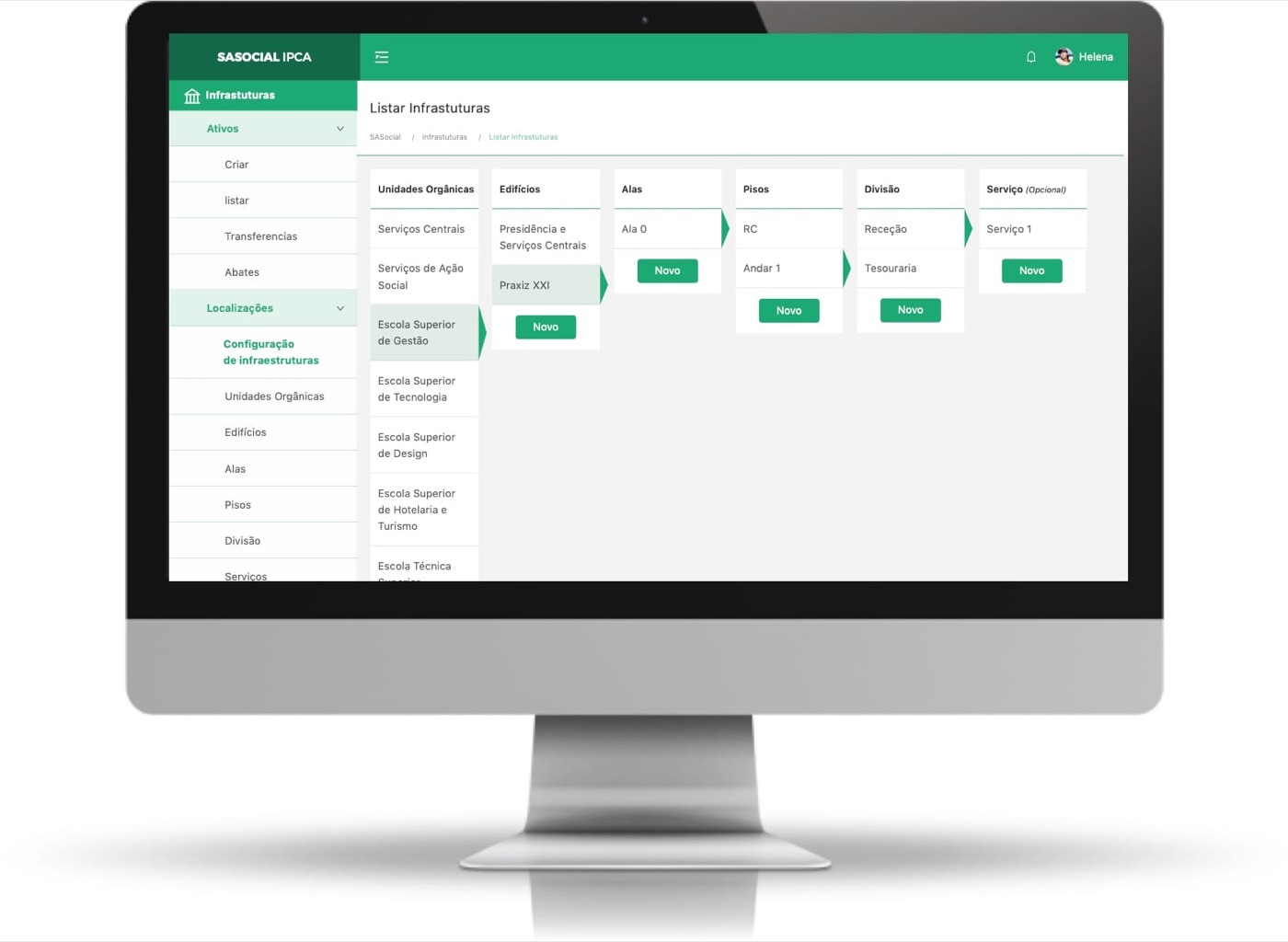
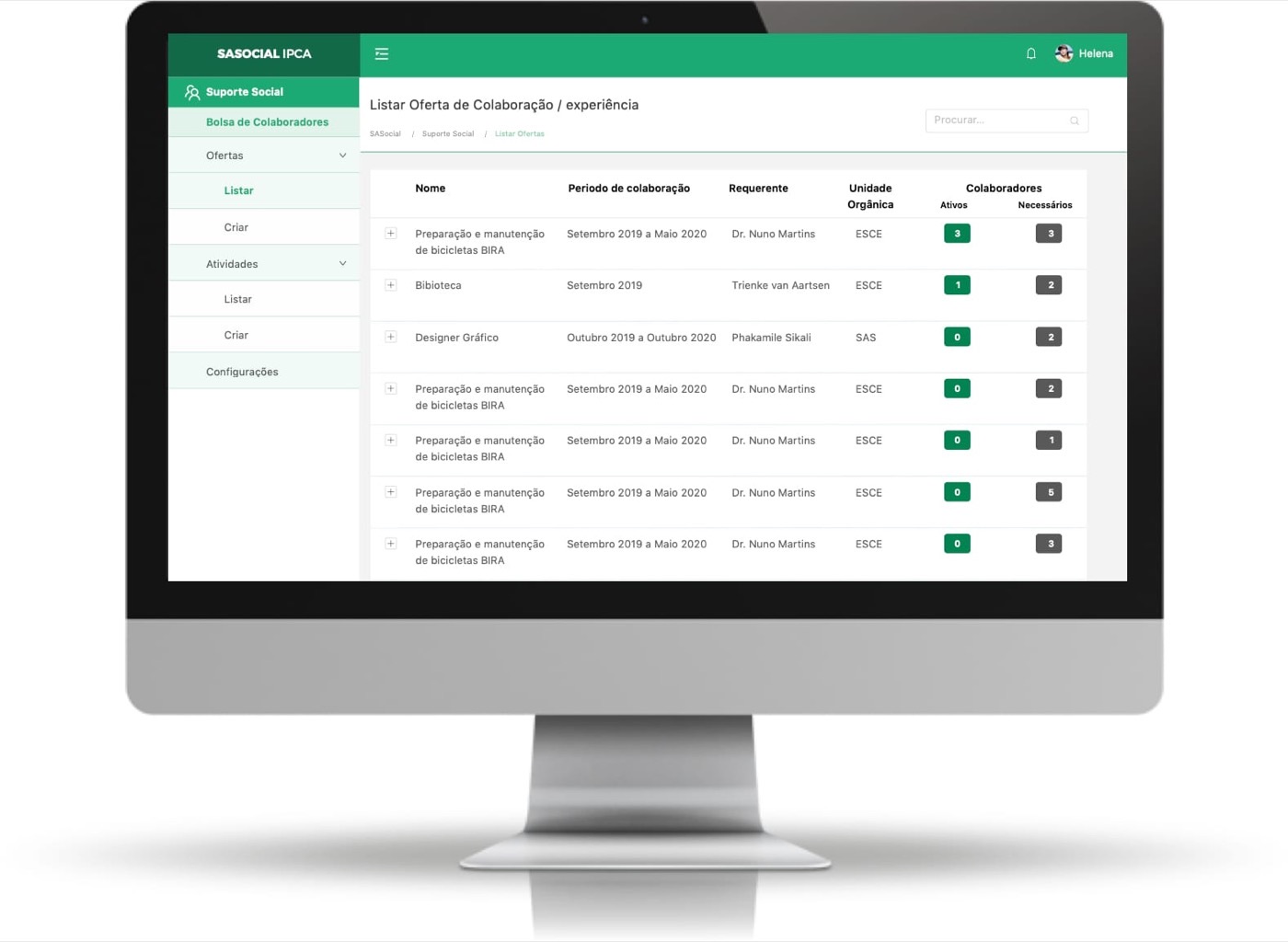
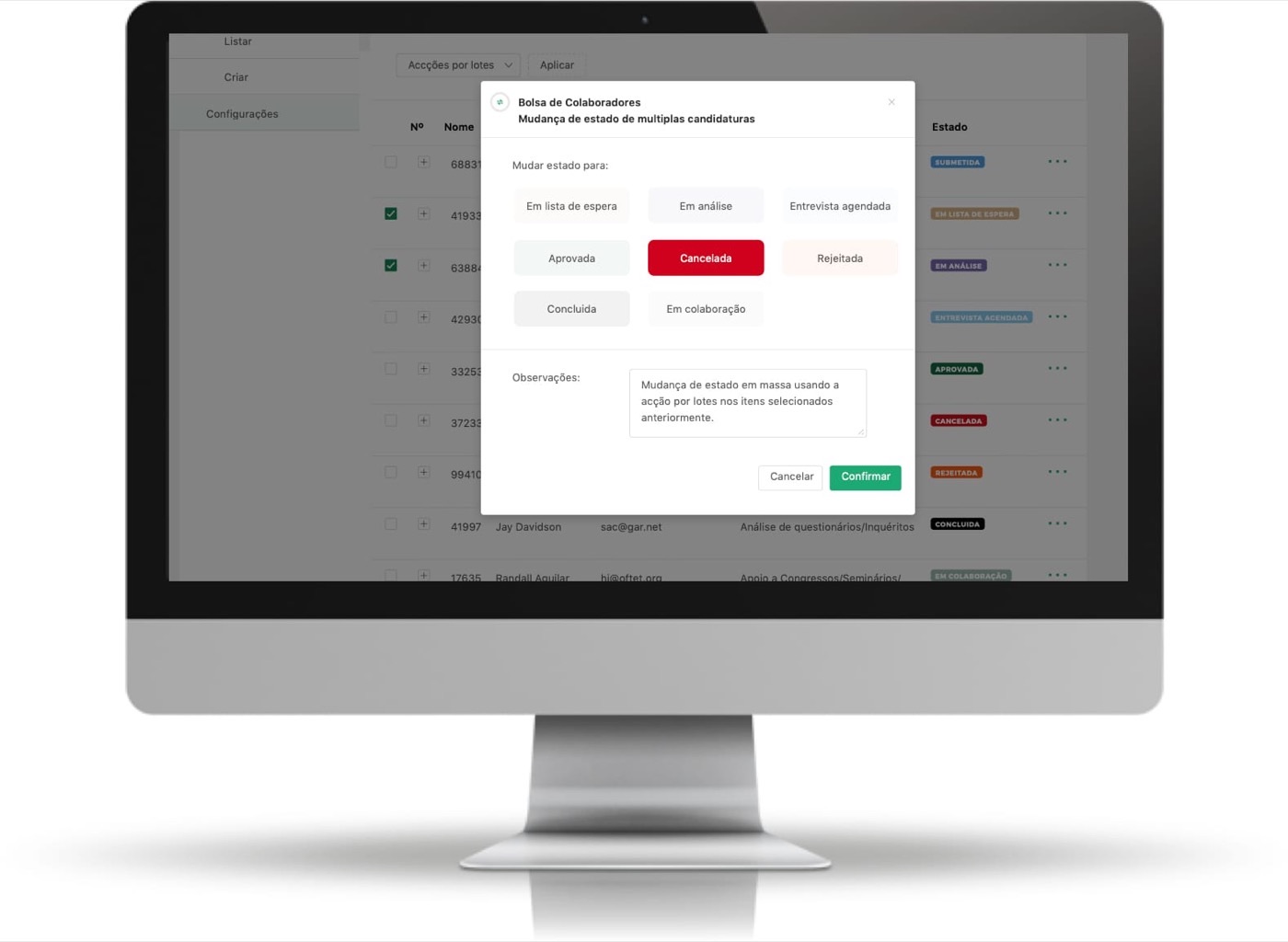
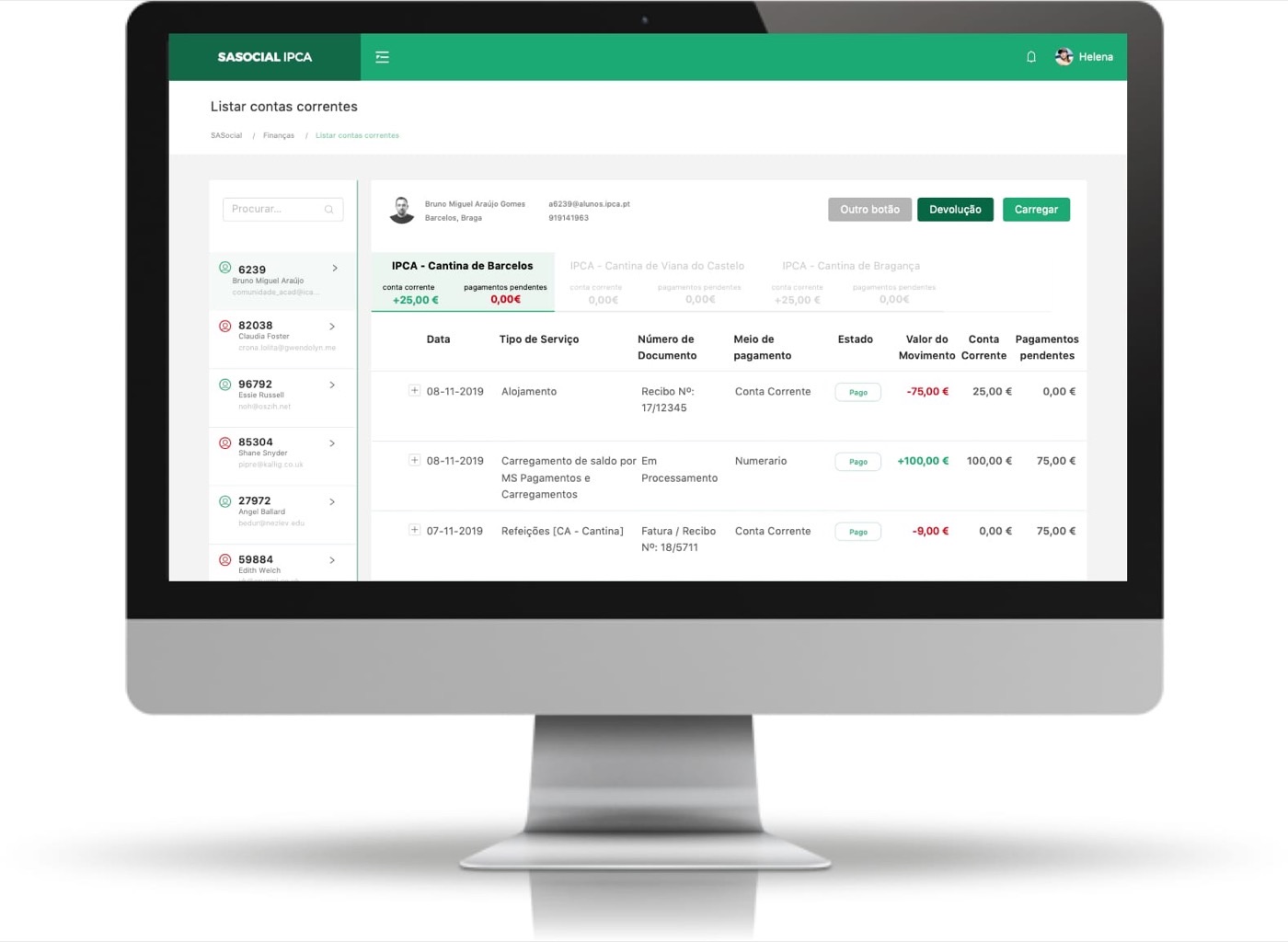
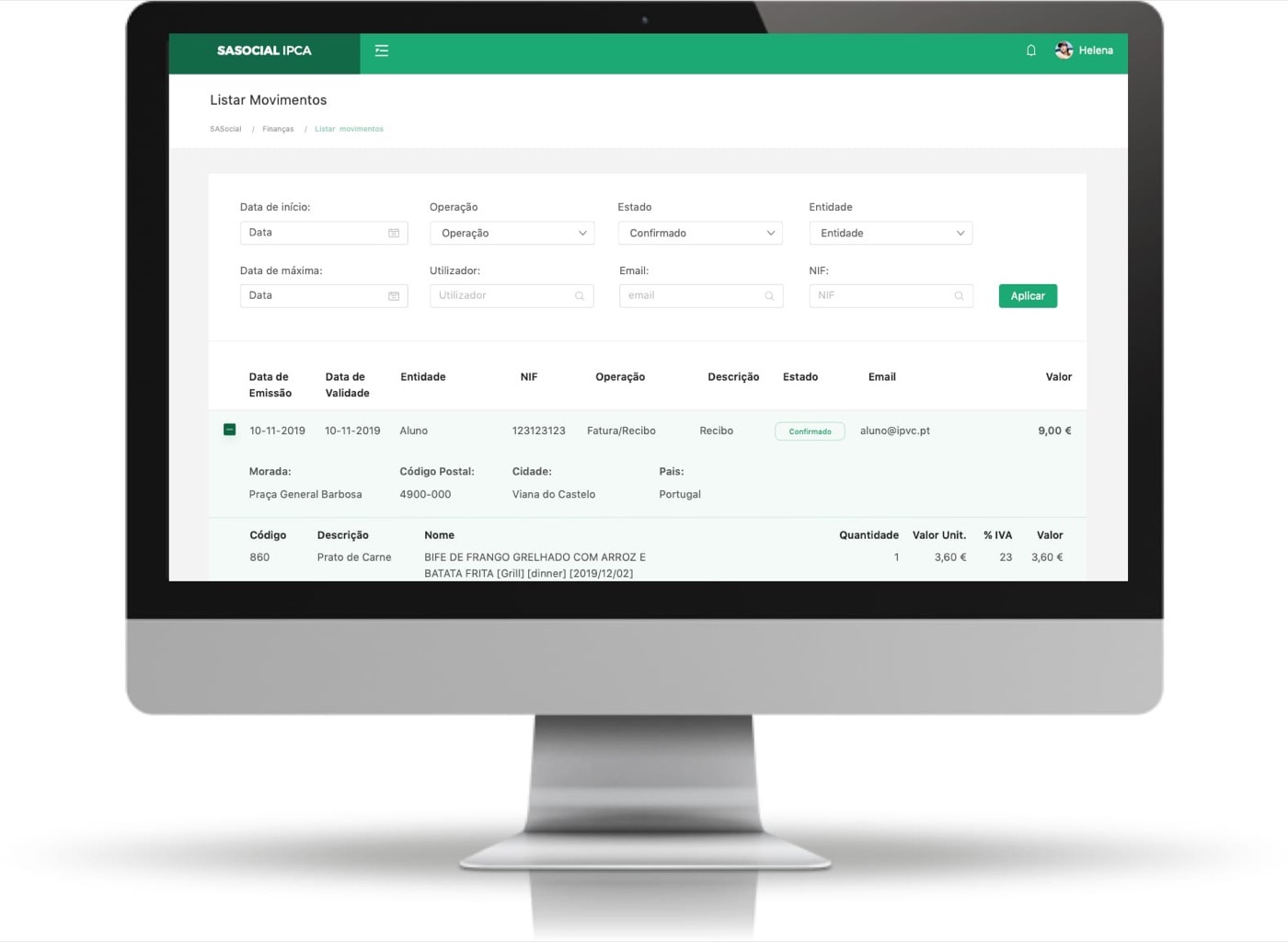
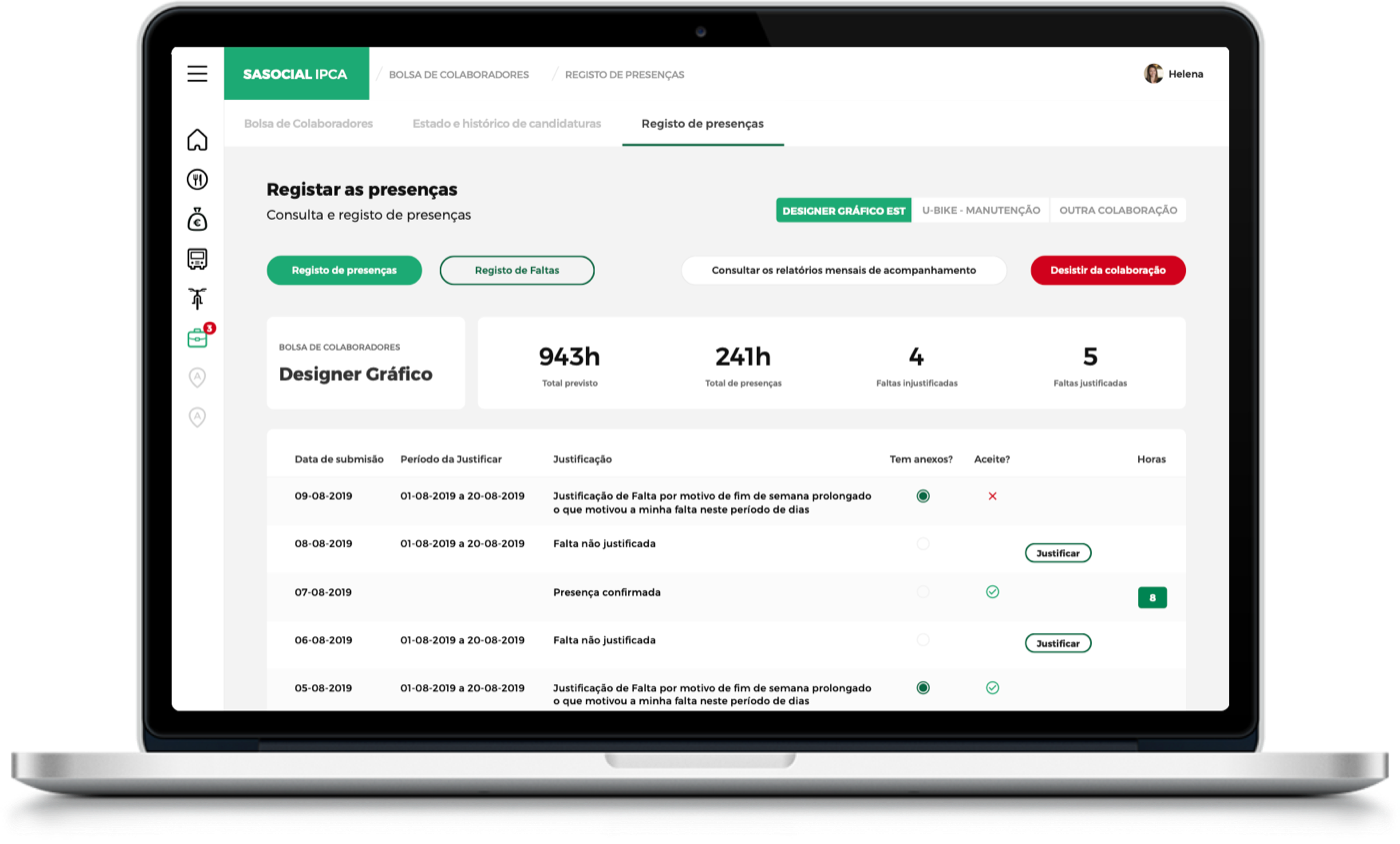
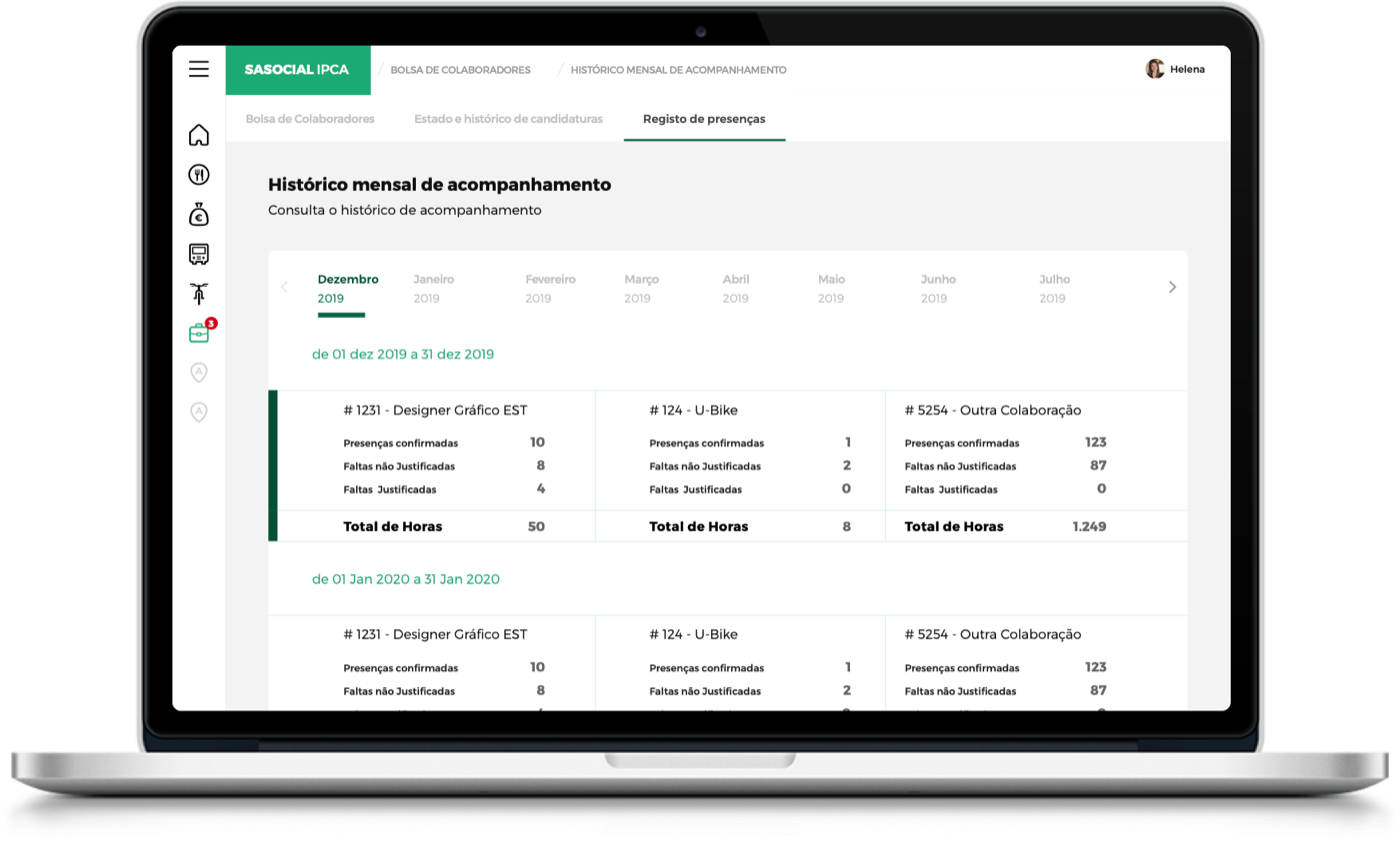
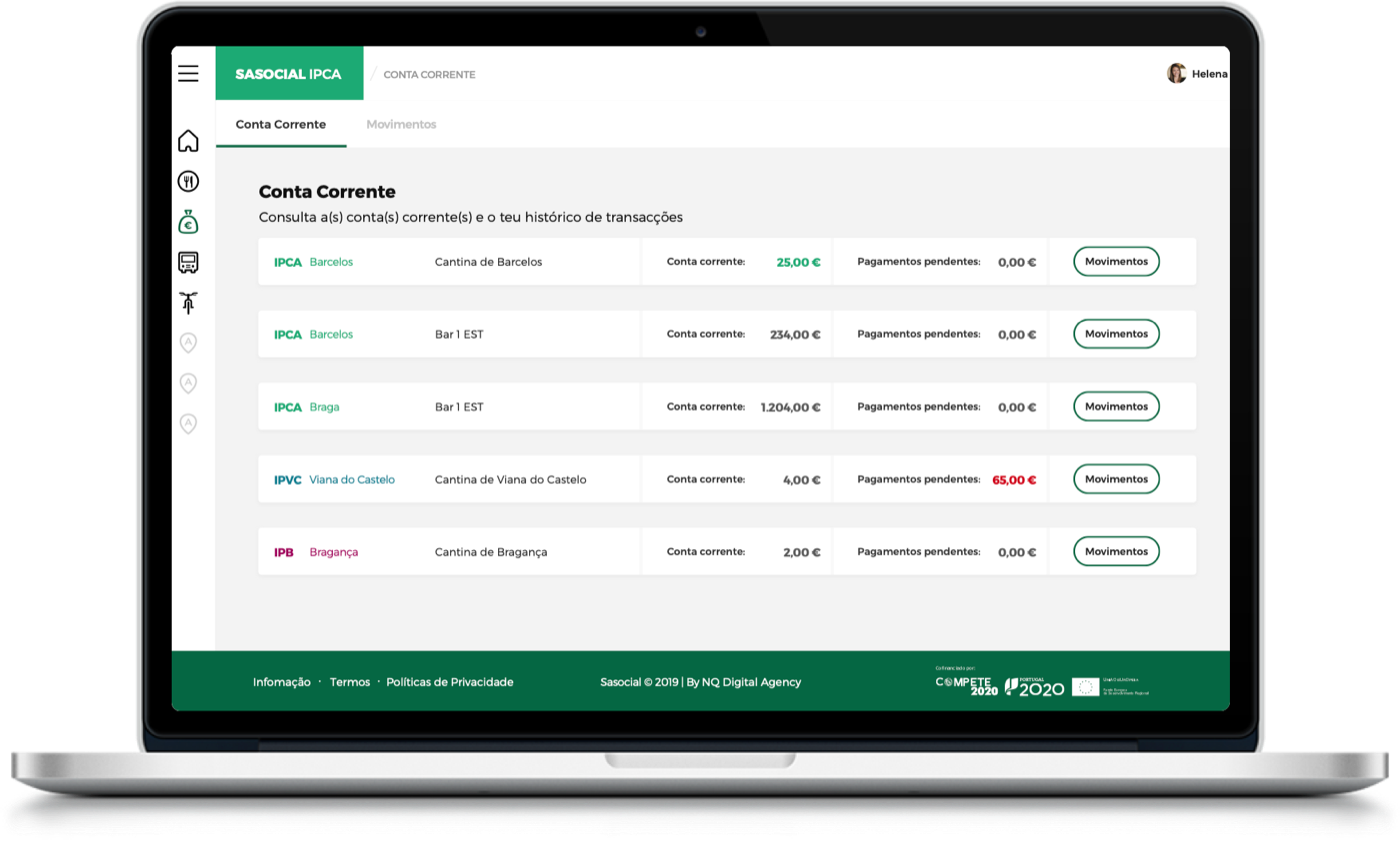
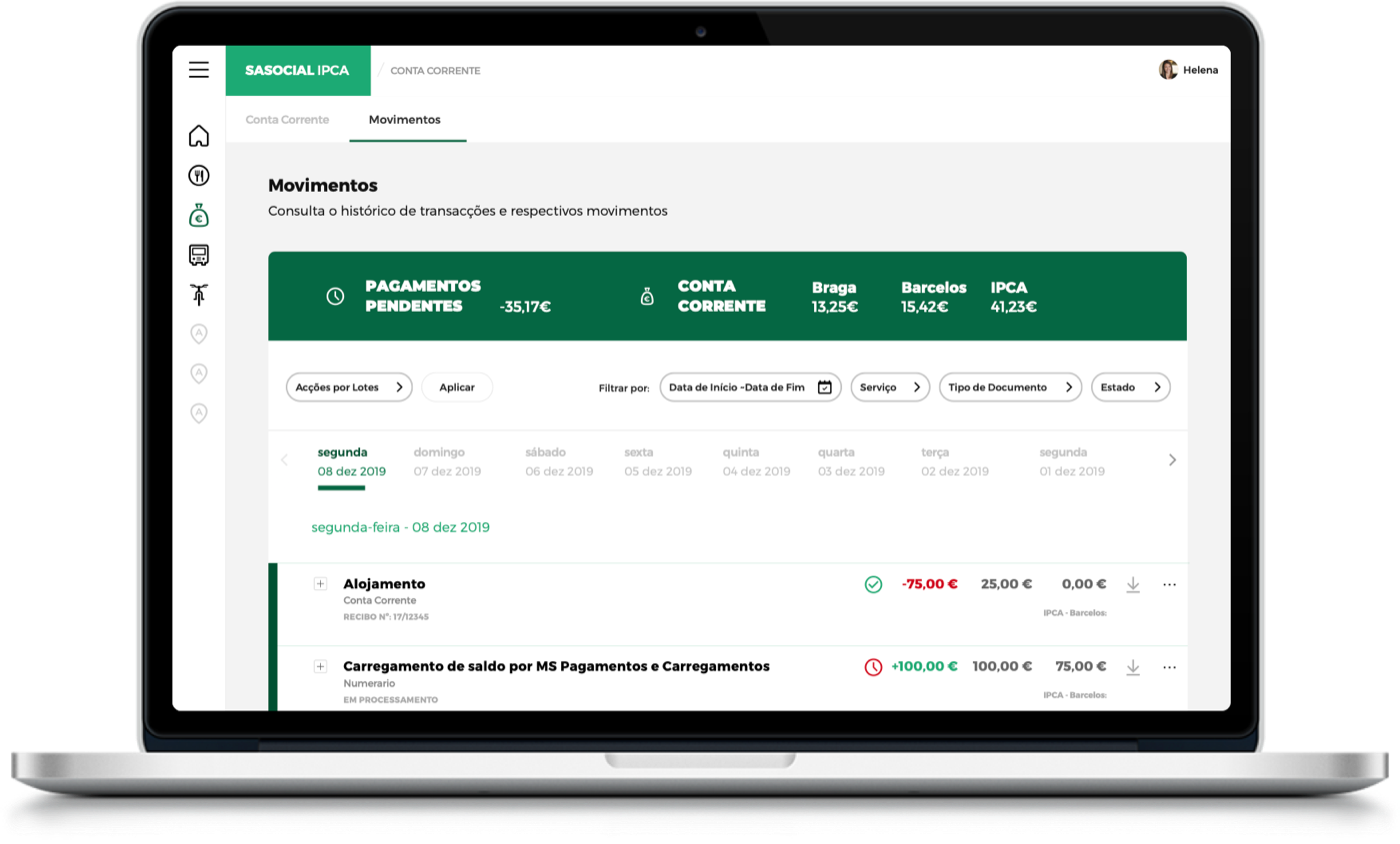
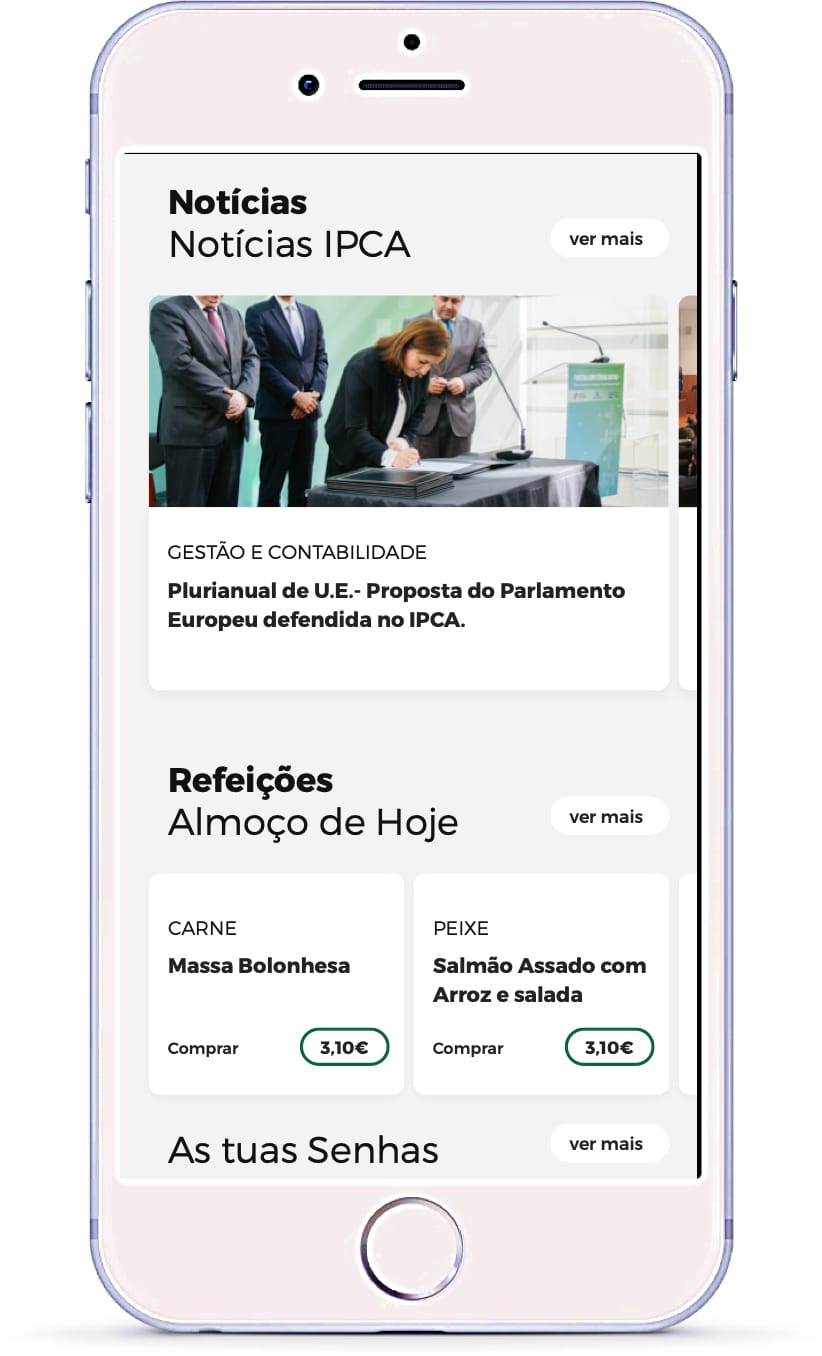
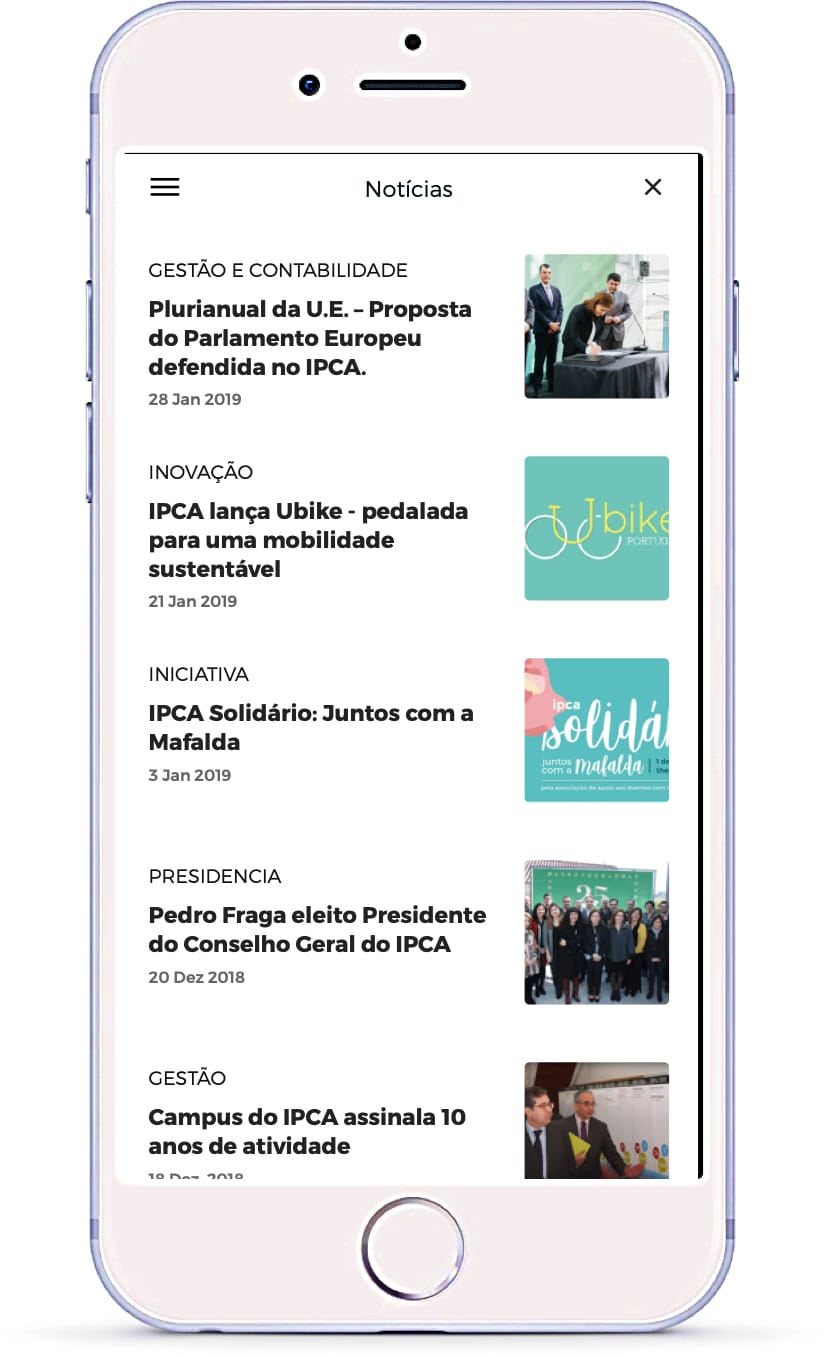
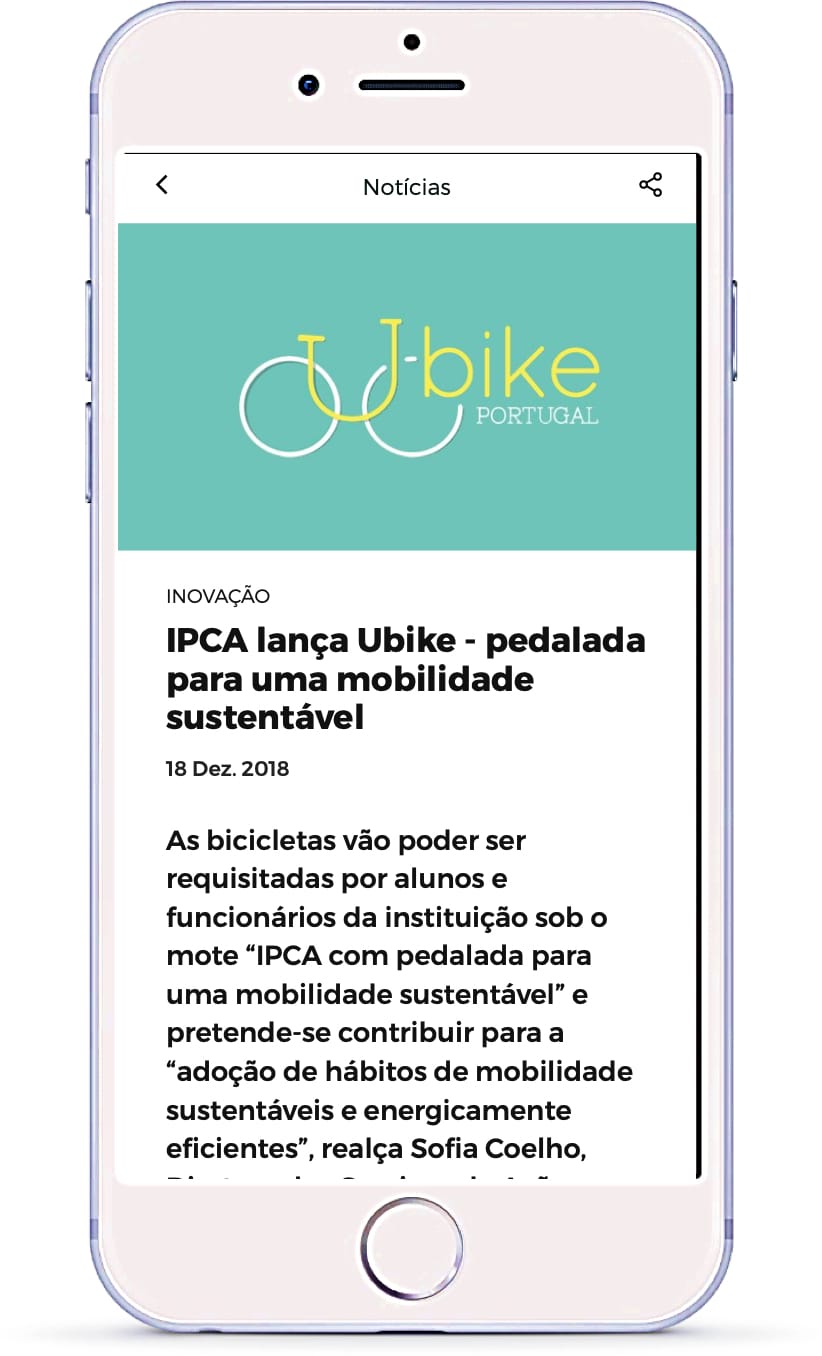
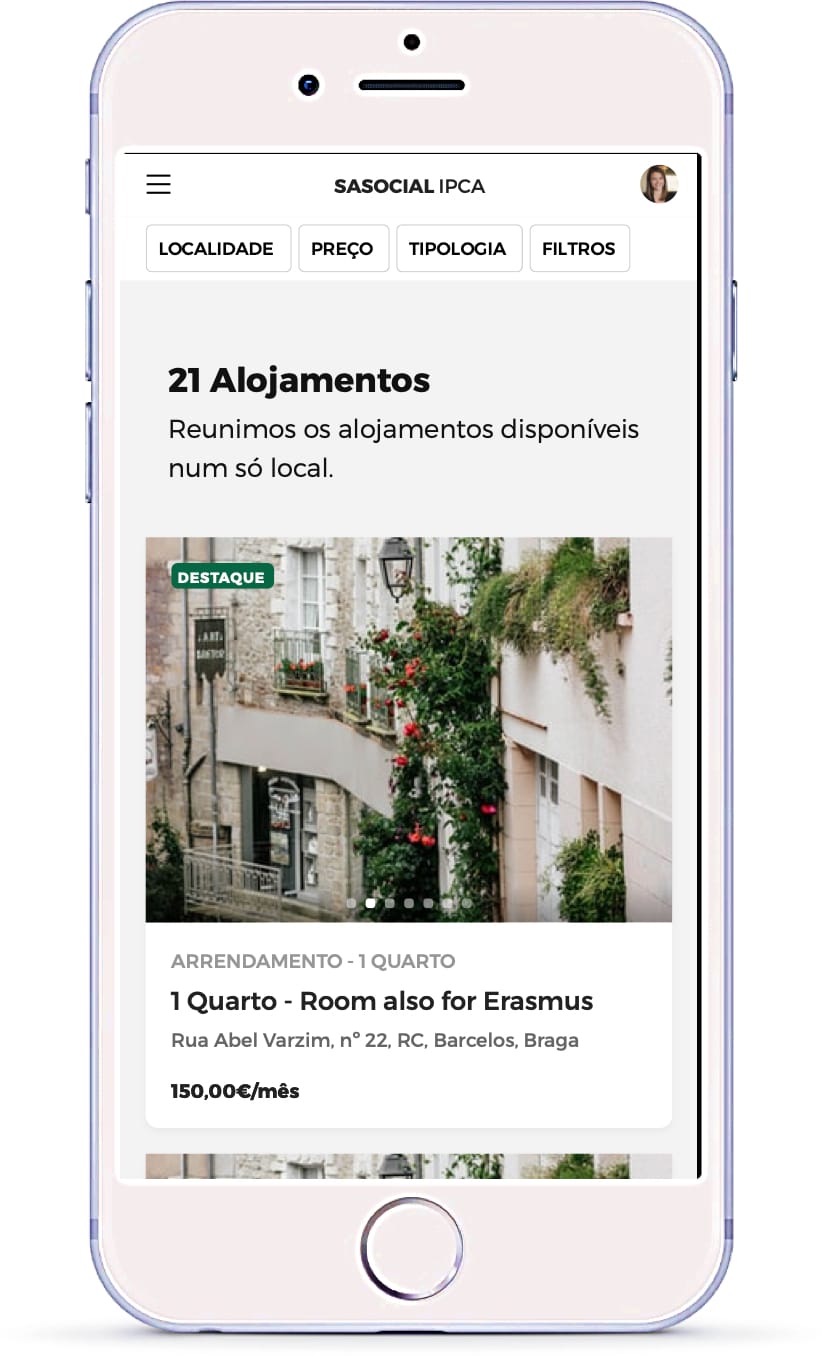
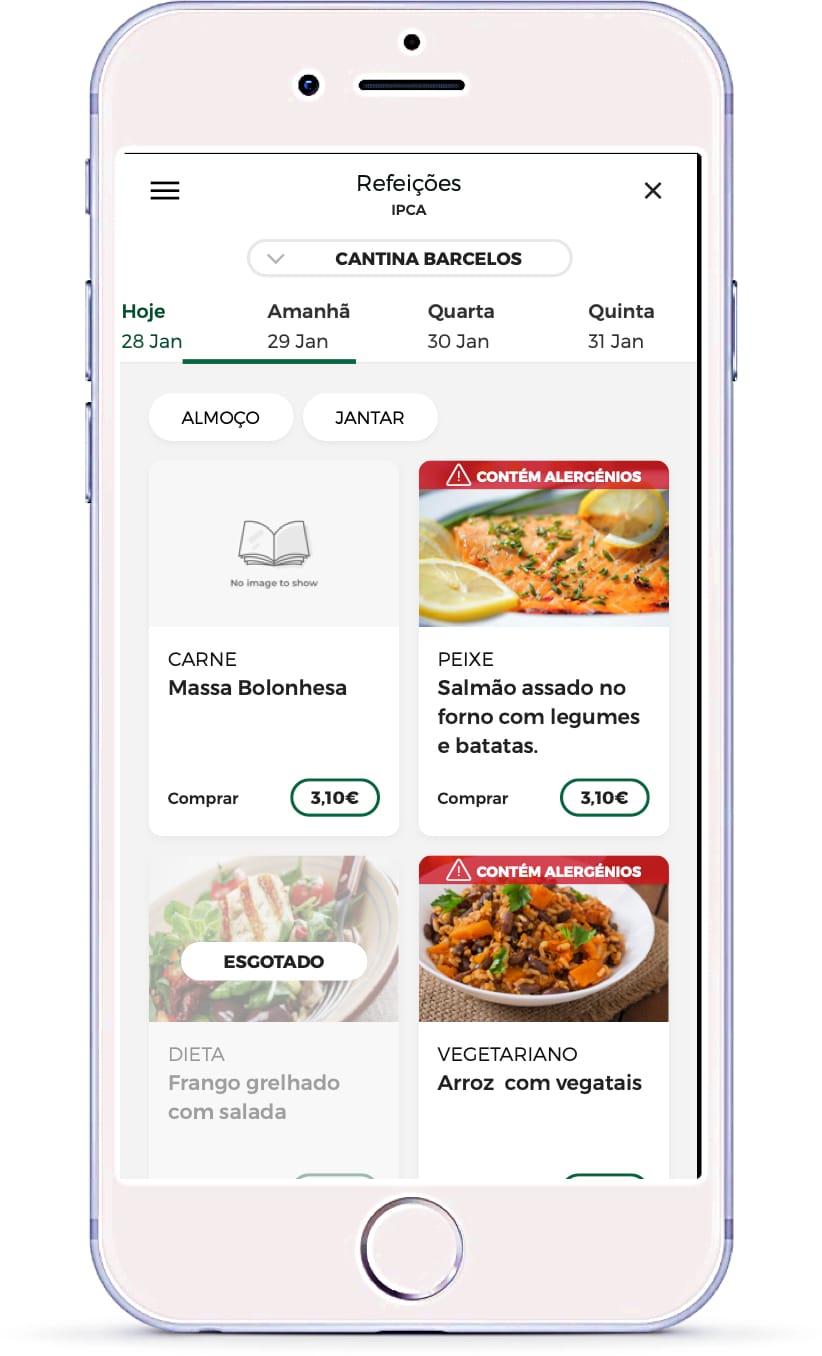
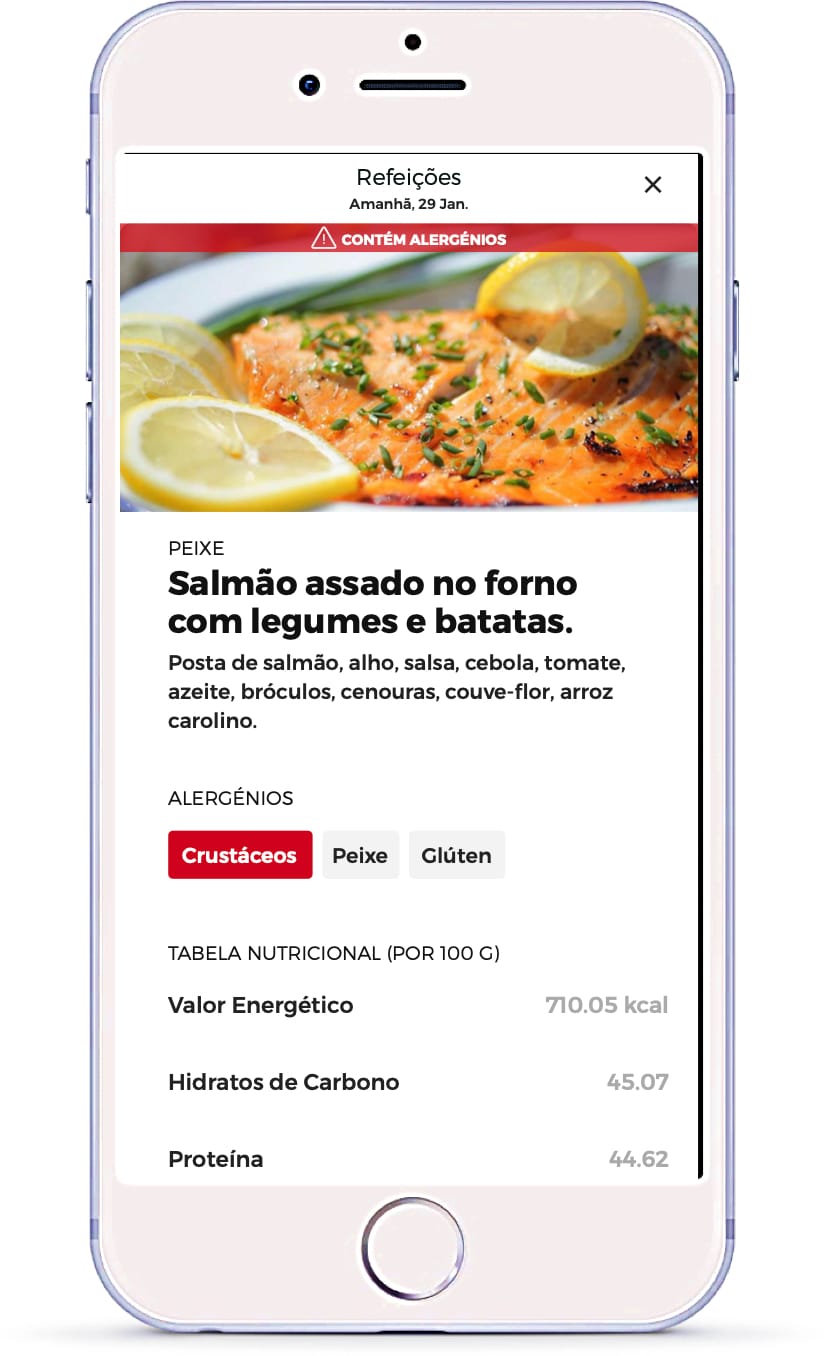
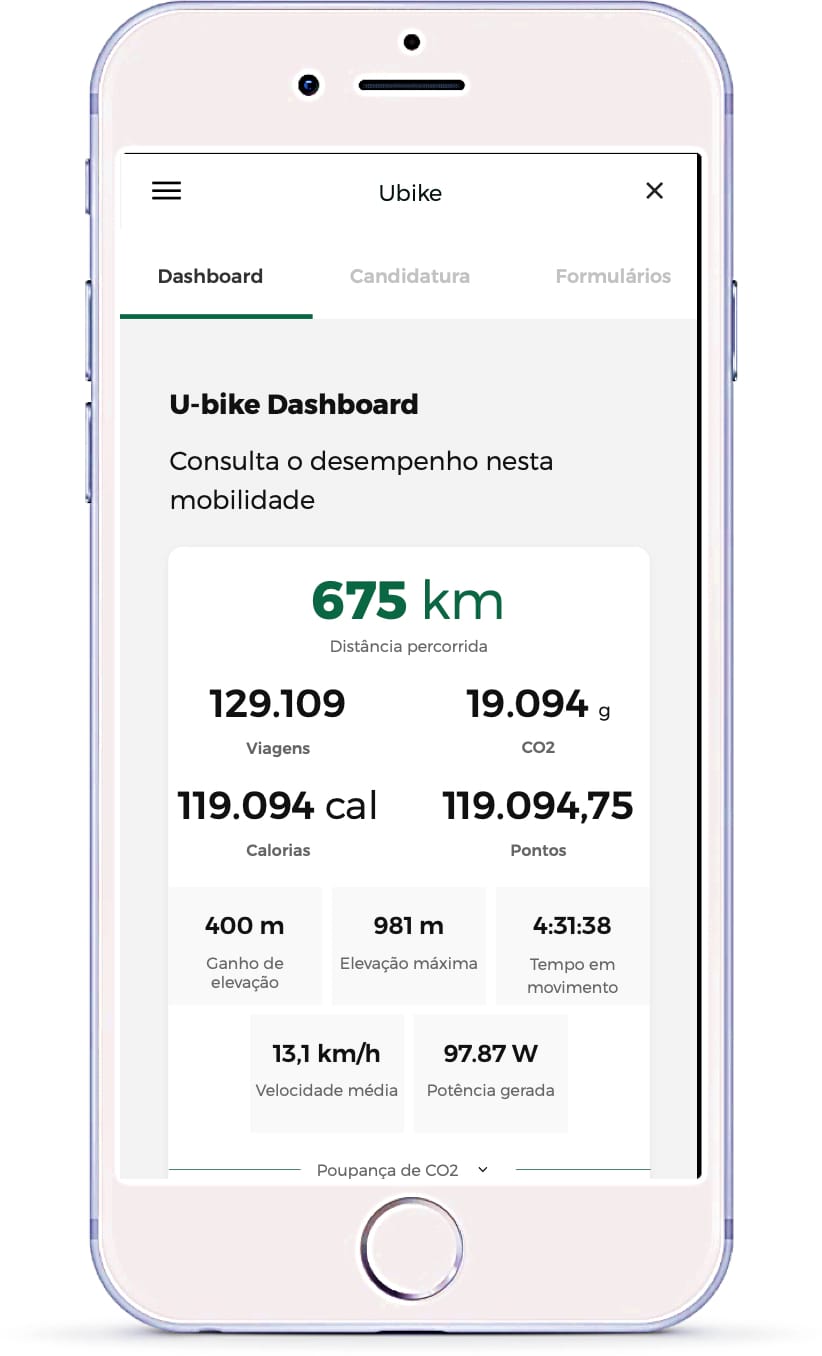
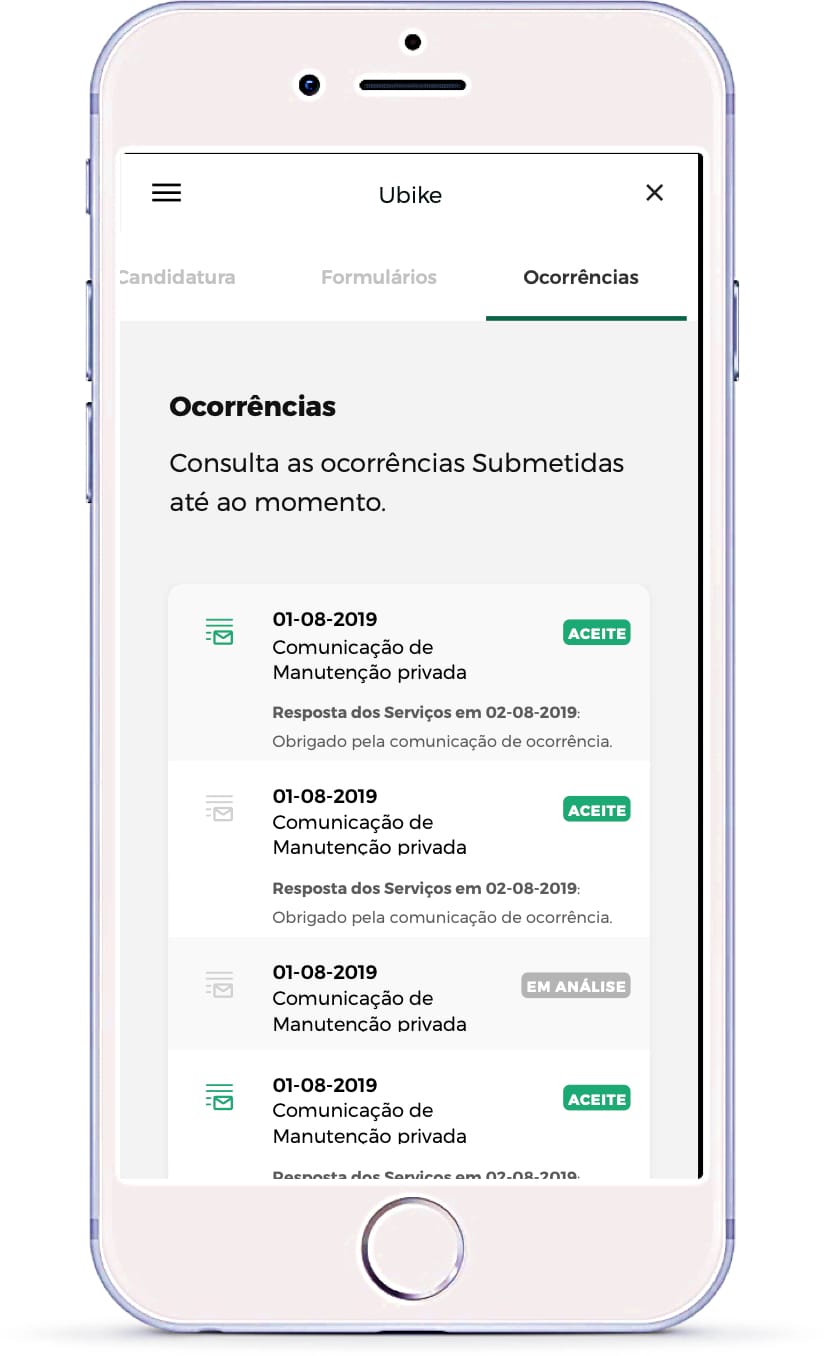
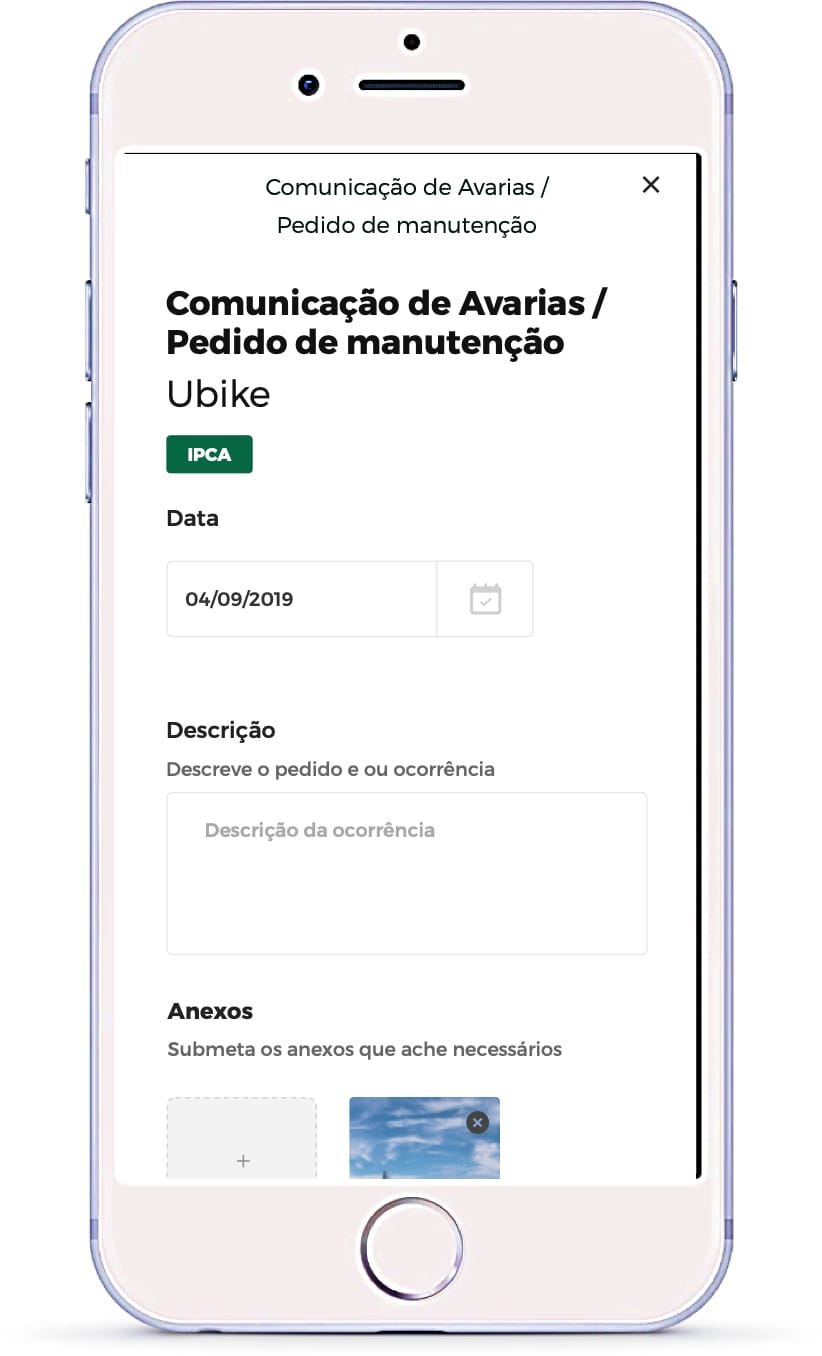
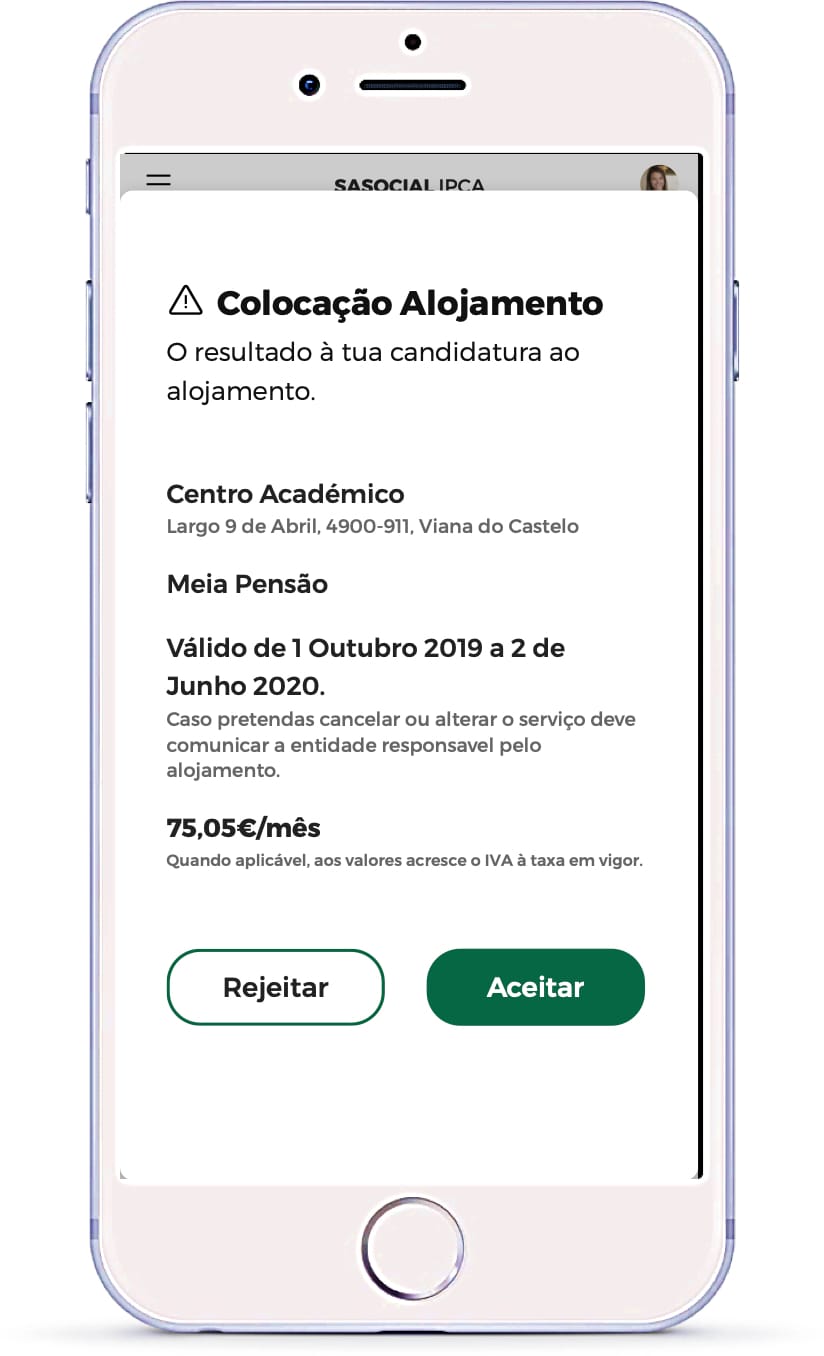
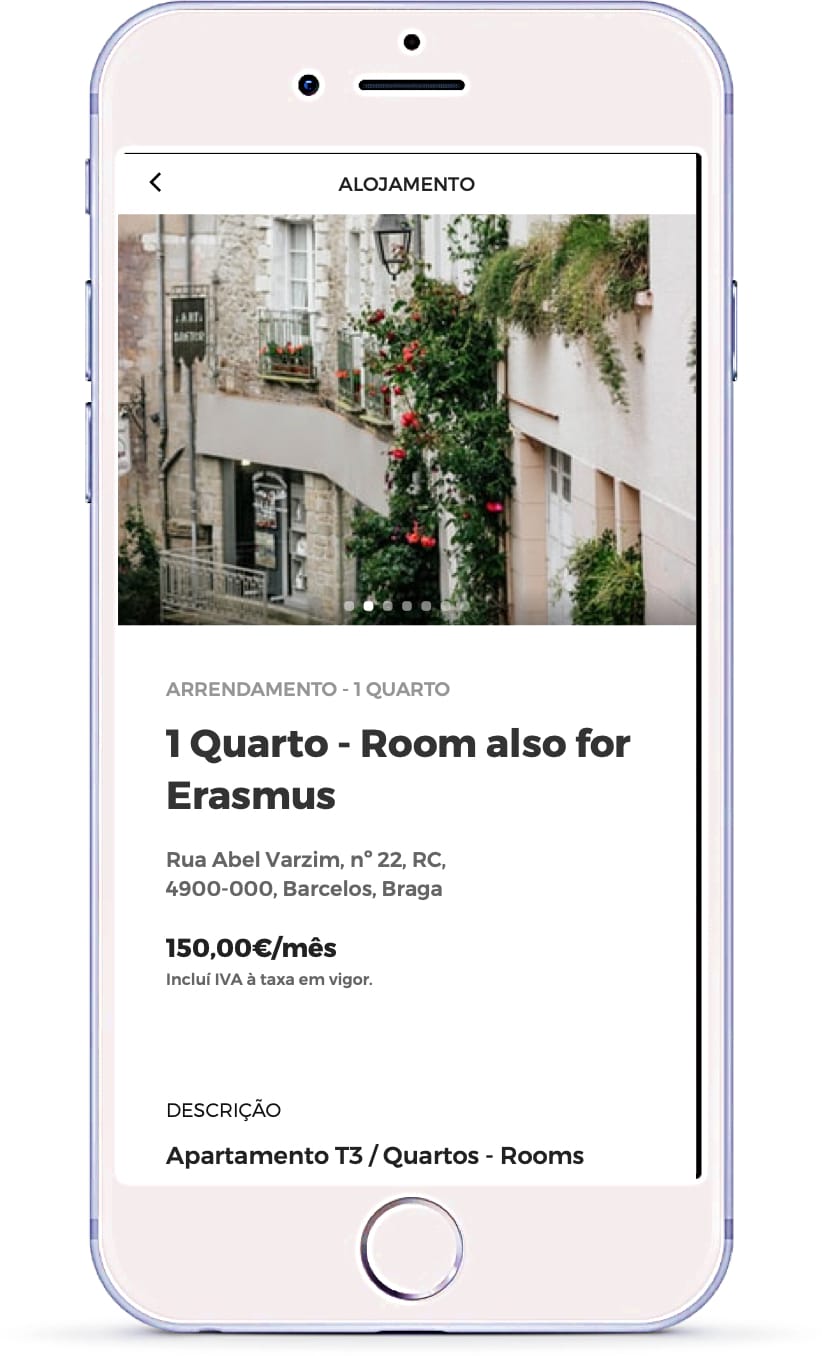
SASocial portal: back office on a laptop SASocial mobile app on a smartphone

SASocial in numbers

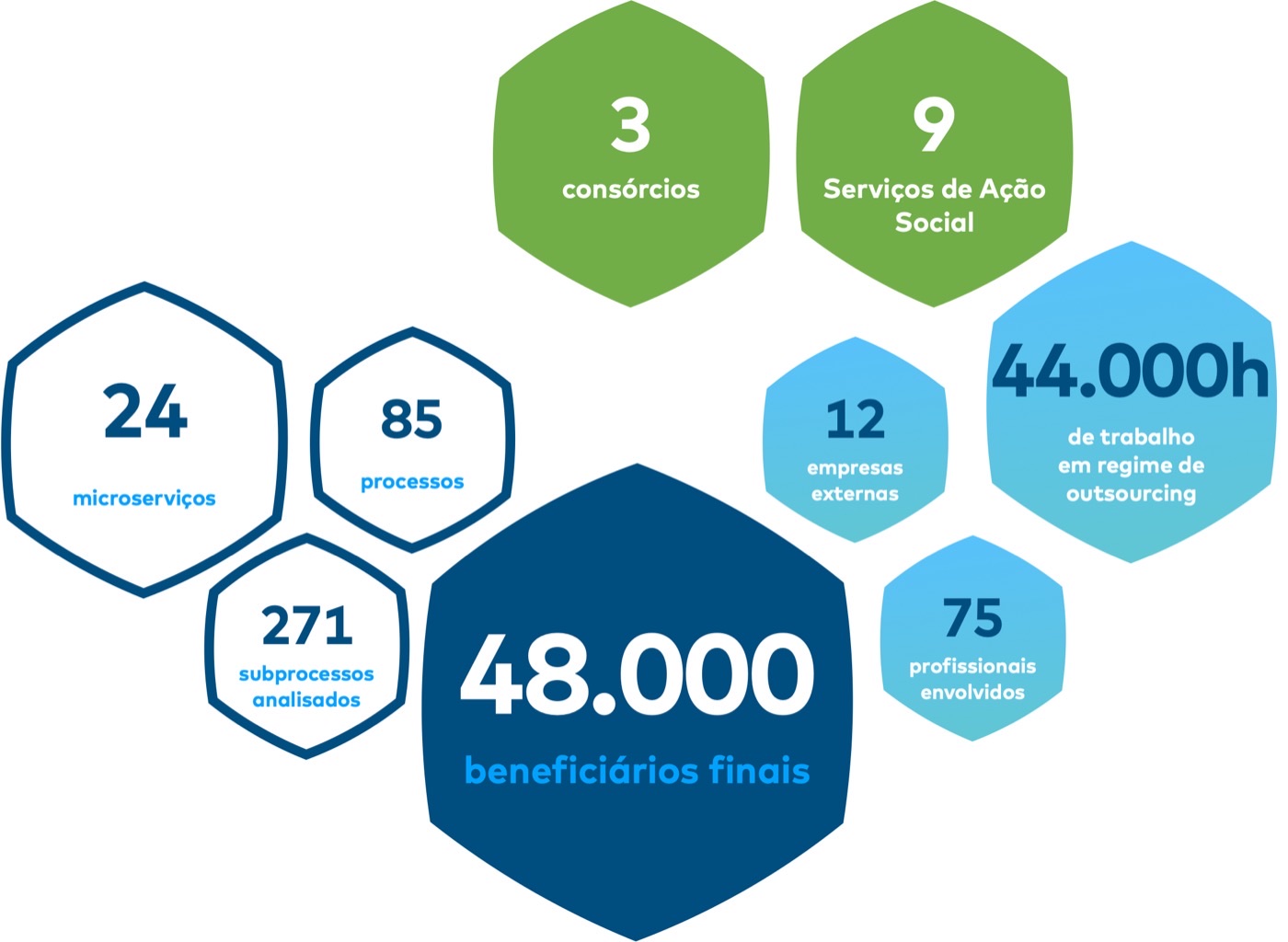
3 consortia, 9 Student Support Services, 24 microservices, 85 processes, 271 sub-processes analysed, 12 external companies, 44,000 hours of outsourced work, 75 professionals involved, 48,000 end beneficiaries

Testimonies

Tutorials